

What is Nickel Alloy Sputtering Target?
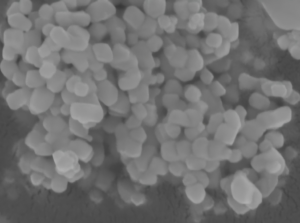
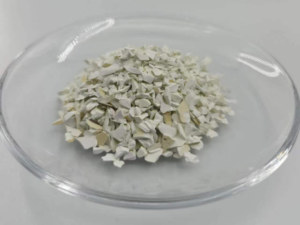
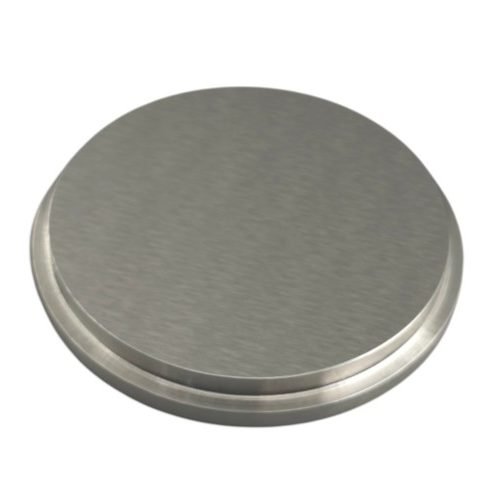
Nickel Alloy Sputtering Target is a nickel-based alloy material used as a cathode source in physical vapor deposition (PVD) processes. By combining nickel with alloying elements such as chromium, silicon, iron, titanium, cobalt, or copper, nickel alloy targets can provide customized electrical, thermal, magnetic, and corrosion-resistant properties for different thin film applications.
Nickel Alloy Sputtering Target vs Pure Nickel Target
Pure nickel targets and nickel alloy targets are both widely used in PVD coating processes, but they provide different material characteristics.
| Material | Composition | Key Properties | Advantages | Typical Applications |
| Pure Nickel Target | Pure Ni | High electrical conductivity, good corrosion resistance, good ductility | Simple composition, stable sputtering performance, suitable for conductive thin films | Conductive layers, research coatings, general PVD applications |
| Nickel Alloy Target | Nickel combined with elements such as Cr, Si, Fe, Ti, Co, or Cu | Adjustable electrical, thermal, magnetic, and mechanical properties | Customized performance through alloy composition control, improved oxidation resistance, enhanced film stability | Thin film resistors, semiconductor components, electronic devices, magnetic films, functional coatings |
The main advantage of nickel alloy sputtering targets is the ability to modify material performance through alloy design. For applications requiring specific electrical resistance, thermal stability, or magnetic properties, nickel alloys often provide better performance than pure nickel.
Types of Nickel Alloy Sputtering Targets
Nickel alloy sputtering targets include various compositions designed to provide different electrical, thermal, magnetic, mechanical, and chemical properties for thin film deposition. By combining nickel with alloying elements such as chromium, silicon, iron, titanium, cobalt, copper, vanadium, and aluminum, nickel alloy targets can be customized to meet different PVD sputtering requirements.
Nickel Chromium Alloy Sputtering Target (NiCr)
Nickel Chromium Alloy Sputtering Target is a nickel-based alloy material composed of nickel and chromium. The addition of chromium improves oxidation resistance, corrosion resistance, and thermal stability while maintaining stable electrical properties.
Nickel Chromium Silicon Alloy Sputtering Target (NiCrSi)
Nickel Chromium Silicon Alloy Sputtering Target combines nickel, chromium, and silicon to provide controlled electrical properties and improved thin film stability. The chromium content enhances oxidation resistance, while silicon helps adjust electrical characteristics and material performance.
Nickel Iron Alloy Sputtering Target (NiFe)
Nickel Iron Alloy Sputtering Target is a nickel-based alloy containing iron. The Ni-Fe alloy system provides adjustable magnetic and mechanical properties with good material stability.
Nickel Titanium Alloy Sputtering Target (NiTi)
Nickel Titanium Alloy Sputtering Target combines nickel and titanium to provide unique mechanical and functional characteristics. The alloy composition enables excellent structural stability and customized material properties.
Nickel Cobalt Alloy Sputtering Target (NiCo)
Nickel Cobalt Alloy Sputtering Target is composed of nickel and cobalt, offering adjustable magnetic, electrical, and structural properties through alloy composition control.
Nickel Copper Alloy Sputtering Target (NiCu)
Nickel Copper Alloy Sputtering Target combines nickel and copper to provide balanced electrical, thermal, and corrosion-resistant properties.
Nickel Vanadium Alloy Sputtering Target (NiV)
Nickel Vanadium Alloy Sputtering Target combines nickel and vanadium to achieve controlled electrical and material properties for thin film deposition processes.
Nickel Aluminum Alloy Sputtering Target (NiAl)
Nickel Aluminum Alloy Sputtering Target combines nickel and aluminum to provide enhanced oxidation resistance and thermal stability through alloy composition design.
ULPMAT provides nickel alloy sputtering targets with various alloy compositions, including NiCr, NiCrSi, NiFe, NiTi, NiCo, NiCu, NiV, and other customized nickel-based alloys. Alloy composition, purity, target dimensions, and shapes can be customized according to specific PVD deposition requirements and thin film fabrication needs.
Key Properties of Nickel Alloy Sputtering Targets
The performance of nickel alloy sputtering targets depends on alloy composition, microstructure, target quality, and sputtering conditions. Compared with pure nickel targets, nickel-based alloys such as NiCr, NiCrSi, NiFe, and NiCo provide greater flexibility for controlling electrical, thermal, magnetic, and mechanical properties in thin film deposition.
Electrical Properties and Resistivity Control
Nickel chromium (NiCr) and nickel chromium silicon (NiCrSi) alloys are widely used when controlled electrical resistivity and stable film performance are required. By adjusting the ratio of chromium and silicon, the electrical characteristics, temperature coefficient of resistance (TCR), and long-term stability of deposited films can be optimized.
Thermal Stability and Oxidation Resistance
Chromium is an important alloying element for improving oxidation resistance and thermal stability in nickel-based alloys. NiCr and NiCrSi targets can maintain stable performance under thermal stress, while silicon addition can further improve film stability by modifying alloy structure and diffusion behavior.
Magnetic Properties
Nickel alloys containing iron or cobalt, such as NiFe and NiCo, provide adjustable magnetic properties for thin film applications. Their magnetic performance depends on alloy composition, film thickness, and deposition parameters.
Target Quality and Deposition Performance
For nickel alloy sputtering targets, uniform composition, high density, and stable microstructure are essential for consistent thin film deposition. Target quality can influence sputtering rate, film uniformity, particle generation, and overall coating performance.
Influence of Sputtering Parameters
Although alloy composition determines the fundamental properties of nickel alloy sputtering targets, the final thin film performance is also strongly influenced by sputtering conditions. Parameters such as sputtering power, working pressure, substrate temperature, and film thickness can affect deposition rate, film density, microstructure, electrical performance, and mechanical stability.
For example, sputtering power influences the energy of deposited atoms and film growth rate, while working pressure affects plasma characteristics and particle energy during deposition. Substrate temperature can modify atomic diffusion and film crystallinity, and film thickness may influence electrical and mechanical properties.Therefore, selecting a suitable nickel alloy sputtering target requires not only consideration of alloy composition but also compatibility with the sputtering system and process conditions.
Applications
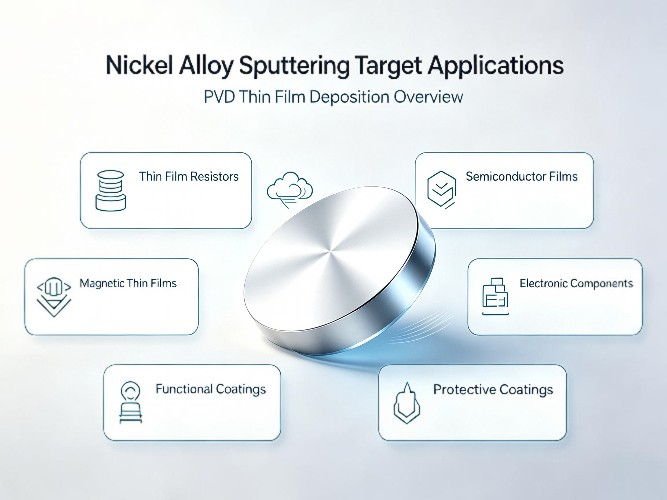
Thin Film Resistors and Electronic Films:NiCr and NiCrSi sputtering targets are commonly used for thin film resistor applications due to their controllable electrical resistivity and stable temperature characteristics. By adjusting alloy composition and deposition conditions, these materials can provide reliable resistance performance for precision electronic components.
Semiconductor and Advanced Thin Film Applications:Nickel alloy sputtering targets are used for depositing functional thin films in semiconductor-related and electronic applications. These processes typically require high material purity, uniform alloy composition, and stable sputtering performance to achieve consistent film quality.
Electronic Components:Nickel-based alloy thin films are used in electronic components where controlled electrical properties, thermal stability, and reliable film performance are required. The selection of alloy composition depends on the specific device requirements and operating conditions.
Magnetic Thin Films:NiFe and NiCo sputtering targets are widely used for magnetic thin film research and electronic magnetic devices. Their magnetic properties can be adjusted through alloy composition, film structure, and sputtering process optimization.
Functional and Protective Coatings:Nickel alloy sputtering targets can also be used to produce functional coatings requiring good thermal stability, corrosion resistance, and mechanical durability. Alloy systems containing chromium or other elements can enhance coating performance in demanding environments.
How to Select Nickel Alloy Sputtering Target
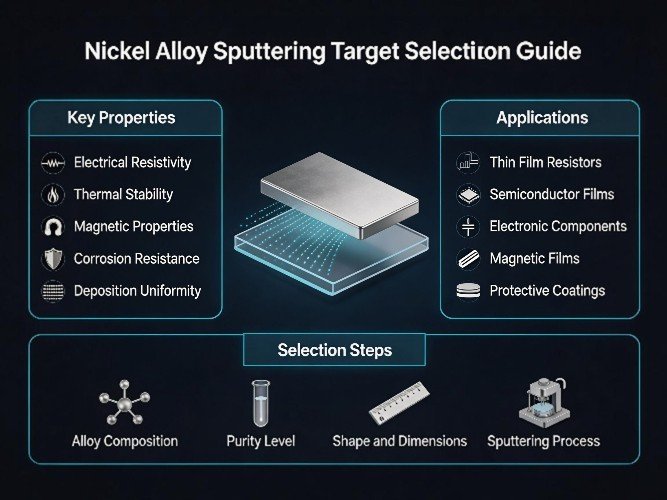
Selecting a suitable nickel alloy sputtering target requires consideration of application requirements, deposition conditions, and material properties.
1. Consider Alloy Composition
The alloy composition is one of the most important factors when selecting a nickel alloy sputtering target. Different alloying elements can modify the electrical, thermal, magnetic, and mechanical properties of deposited thin films.
| Alloying Element | Influence on Material Properties |
| Chromium (Cr) | Improves oxidation resistance, corrosion resistance, and thermal stability |
| Silicon (Si) | Helps control electrical resistivity and improves thin film stability |
| Iron (Fe) | Provides magnetic properties and enhances functional performance |
| Titanium (Ti) | Enhances mechanical properties and functional characteristics |
| Cobalt (Co) | Improves magnetic and electronic properties |
| Copper (Cu) | Enhances electrical conductivity |
The selection of alloy composition depends on the required thin film properties and application requirements. For example, NiCrSi alloys are commonly selected for applications requiring controlled electrical resistivity and stable thin film performance, while NiFe alloys are preferred for magnetic thin film applications.Nickel alloy sputtering targets are available in different compositions, purities, sizes, and shapes according to specific PVD deposition requirements.
2. Select Appropriate Purity
Target purity is an important factor affecting thin film quality and deposition stability. Higher purity nickel alloy sputtering targets can help reduce potential contamination sources during the sputtering process and are commonly selected for applications requiring strict film performance control.
Depending on application requirements, nickel alloy sputtering targets are available in different purity grades, including 99%, 99.9%, 99.95%, and 99.99%. The appropriate purity level should be selected according to the required film quality, device performance, and process requirements.
3. Choose Suitable Target Shape and Dimensions
The target geometry and dimensions should be compatible with the sputtering equipment and cathode configuration. Nickel alloy sputtering targets can be supplied in various forms, including disc targets, plate targets, bonded targets, and customized shapes.
Proper target design helps ensure stable sputtering behavior, efficient material utilization, and consistent thin film deposition.
4. Consider Sputtering Process Requirements
The selection of a nickel alloy sputtering target should also consider the specific deposition process. Factors such as sputtering method, power conditions, substrate material, deposition temperature, and required film thickness can influence the final film characteristics.For example, DC magnetron sputtering and RF sputtering may require different target configurations depending on the equipment and application requirements.
FAQs
Nickel Alloy Sputtering Target is a nickel-based material used as a cathode source in PVD sputtering processes to deposit thin films. It consists of nickel combined with alloying elements such as chromium, silicon, iron, titanium, cobalt, or copper to achieve controlled electrical, thermal, magnetic, and mechanical properties.
Nickel alloy sputtering targets are used for various thin film applications, including thin film resistors, semiconductor-related coatings, electronic components, magnetic thin films, and functional coatings. The selected alloy composition depends on the required film properties, such as electrical resistivity, thermal stability, or magnetic performance.
Pure nickel targets provide high electrical conductivity and good corrosion resistance. Nickel alloy sputtering targets offer greater flexibility because alloying elements can modify properties such as electrical resistivity, oxidation resistance, thermal stability, and magnetic behavior.
Common nickel alloy sputtering targets include:
- Nickel Chromium Alloy Sputtering Target (NiCr)
- Nickel Chromium Silicon Alloy Sputtering Target (NiCrSi)
- Nickel Iron Alloy Sputtering Target (NiFe)
- Nickel Titanium Alloy Sputtering Target (NiTi)
- Nickel Cobalt Alloy Sputtering Target (NiCo)
- Nickel Copper Alloy Sputtering Target (NiCu)
Different alloy systems provide different material characteristics for specific PVD thin film requirements.
Nickel Chromium Silicon Alloy Sputtering Target (NiCrSi) is used for applications requiring controlled electrical resistivity, stable temperature characteristics, and reliable thin film performance. The addition of chromium and silicon helps optimize oxidation resistance and electrical stability.
Selection should consider several factors, including alloy composition, purity, target size, sputtering system compatibility, and required film properties. For example, NiCr and NiCrSi alloys are often selected for electrical property control, while NiFe and NiCo alloys are considered for magnetic thin film applications.
Nickel alloy sputtering targets can be supplied in different purity levels depending on application requirements, including 99%, 99.9%, 99.95%, and higher purity grades for demanding thin film deposition processes.
Yes. Nickel alloy sputtering targets can be customized according to application requirements, including alloy composition, purity, target dimensions, and shape. ULPMAT provides customized nickel alloy sputtering target solutions for different PVD deposition requirements.
References
- 1.Ohring, M. Materials Science of Thin Films: Deposition and Structure. Academic Press.
- 2.Mattox, D. M. Handbook of Physical Vapor Deposition (PVD) Processing. Elsevier.
- 3.Kelly, P. J., Arnell, R. D. “Magnetron sputtering: a review of recent developments and applications.” Vacuum.
- 4.Research articles on NiCr, NiCrSi, and NiFe thin films published in Thin Solid Films, Surface and Coatings Technology, and Journal of Applied Physics.