

Properties and Significance of Titanium Suboxide
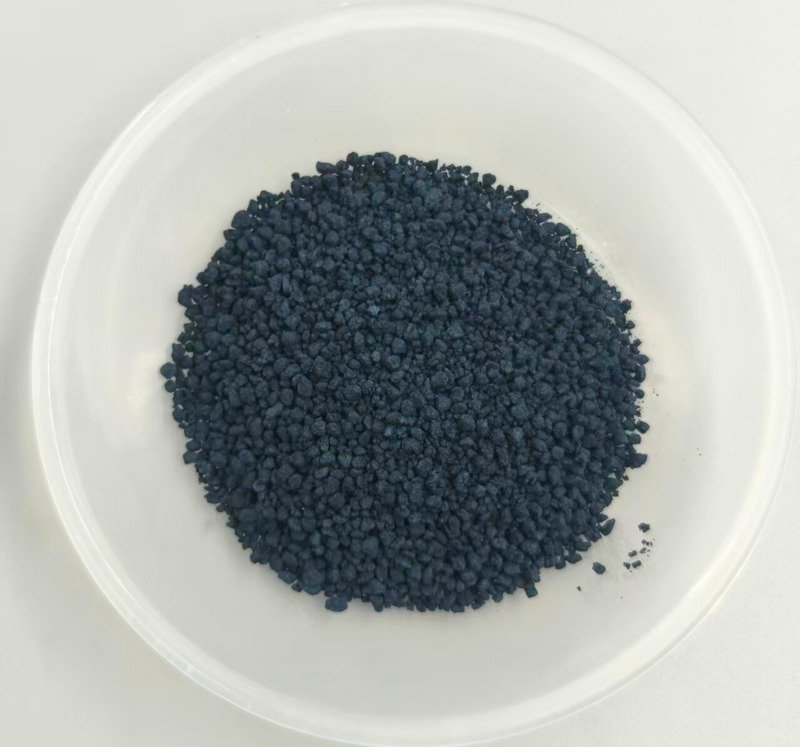
Titanium oxide has attracted increasing attention in advanced materials research due to its unique electrical and electrochemical properties. In particular, titanium suboxide, a member of the Magnéli phase, exhibits significantly higher conductivity than traditional titanium dioxide. Its crystal lattice contains oxygen vacancies, allowing it to maintain the chemical stability of oxide ceramics while displaying metallic-like conductivity. This combination makes titanium suboxide particles highly suitable for electrochemical systems, environmental technologies, and energy-related applications. Consequently, they have been extensively studied as conductive oxide materials in both research laboratories and industrial production.

What Makes the Magnéli Phase Special?
Titanium oxides exist in several different oxidation states, forming a family of compounds with varying physical and electronic properties. The Magnéli phase titanium oxides represent a group of sub-stoichiometric titanium oxides that follow a general structural formula.
These materials contain ordered oxygen vacancies within their crystal lattice. The presence of these vacancies leads to enhanced electrical conductivity compared with stoichiometric titanium dioxide.
The Magnéli phases therefore behave as conductive ceramics rather than typical insulating oxides.
Typical characteristics include:
- high electrical conductivity
- strong chemical stability
- corrosion resistance in electrochemical environments
- good thermal stability
Because of these properties, Magnéli phase materials are widely studied for advanced functional applications.
What Are the Key Properties of High-Purity Titanium Suboxide Granules?
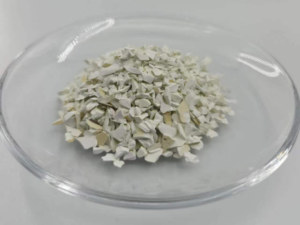
The performance of titanium suboxide materials is strongly influenced by their purity, phase composition, and particle morphology. High-quality granules ensure consistent electrochemical performance and improved processing stability.
Typical technical parameters include:
| Property | Description |
|---|---|
| Material Type | Titanium suboxide |
| Phase Structure | Magnéli phase |
| Purity | 99.9% |
| Form | Granules |
| Electrical Conductivity | High conductivity oxide |
| Chemical Stability | Excellent |
These properties make titanium suboxide granules suitable for use in electrochemical systems where both conductivity and chemical stability are required.
Key Applications of Titanium Suboxide Materials
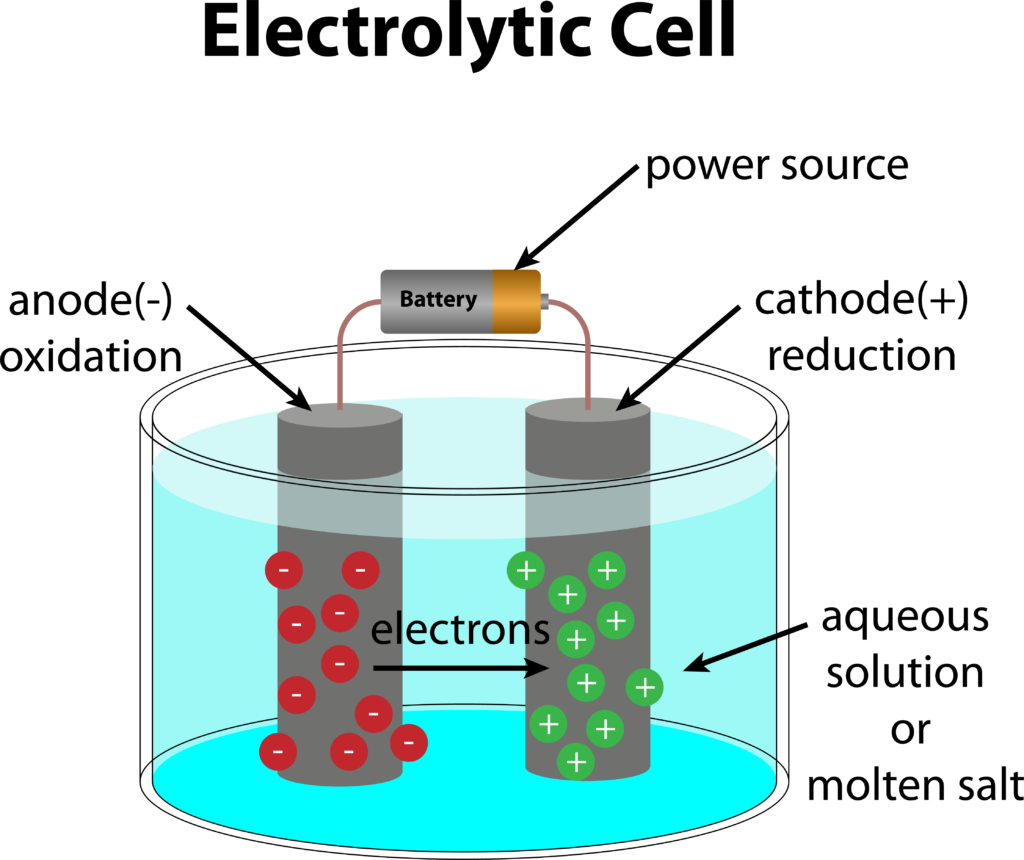
- Electrochemical electrodes
Used as conductive electrode materials in electrochemical systems, especially for oxidation processes in wastewater treatment.
- Environmental remediation
Promotes efficient electron transfer and helps degrade organic contaminants in electrochemical treatment technologies.
- ·Energy storage research
Investigated as electrode components in electrochemical energy storage systems due to its high conductivity and chemical stability.
- Catalyst support materials
Functions as a conductive substrate or support in catalytic systems thanks to its stable oxide surface.
- Advanced functional materials
Increasingly studied for applications requiring stable electron transfer under harsh chemical environments
How are Titanium Suboxide Materials Produced?
The production of titanium suboxide materials generally involves the controlled reduction of titanium dioxide at high temperatures. During this process, part of the oxygen atoms are removed from the crystal lattice, creating ordered oxygen vacancies and forming Magnéli phase titanium oxides.
Several preparation methods are commonly used in both laboratory research and industrial production.
Common Preparation Methods
1. Hydrogen Reduction
Hydrogen reduction is one of the most widely used synthesis routes. In this method, titanium dioxide is heated in a hydrogen atmosphere at elevated temperatures. The hydrogen acts as a reducing agent, partially removing oxygen from the lattice and generating conductive titanium suboxide phases.
2. Carbothermal Reduction
Carbothermal reduction involves heating titanium dioxide together with carbon-based materials at high temperatures. Carbon functions as the reducing agent, allowing oxygen to be removed from the oxide lattice and forming oxygen-deficient titanium oxide structures.
Post-Processing and Granule Formation
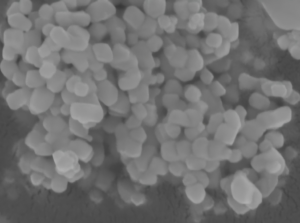
After the desired titanium suboxide phase is formed, additional processing steps are often applied to improve the material characteristics. These steps may include particle size control, morphology adjustment, and granulation processes.
Such processing helps ensure that the final material meets the requirements of electrochemical systems, catalytic processes, and other advanced functional applications.
Conclusion
Titanium suboxide granules represent an important class of conductive oxide materials within the Magnéli phase titanium oxide family. Their unique combination of electrical conductivity, chemical stability, and structural robustness makes them valuable for a variety of advanced technology applications.As research in electrochemical systems, environmental technologies, and energy storage continues to expand, conductive titanium oxide materials are expected to play an increasingly significant role in the development of next-generation functional materials.