

1.Why NTP Anode Material Matters in Sodium Ion Batteries?
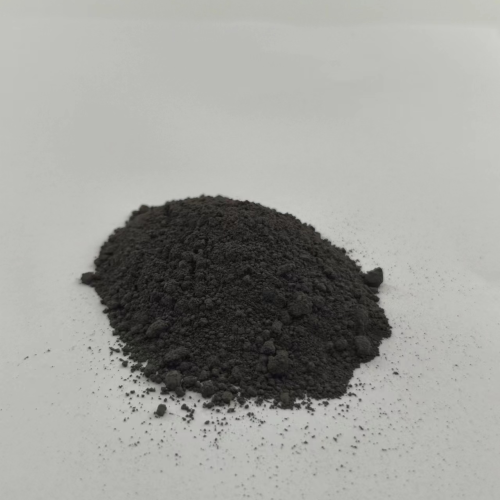
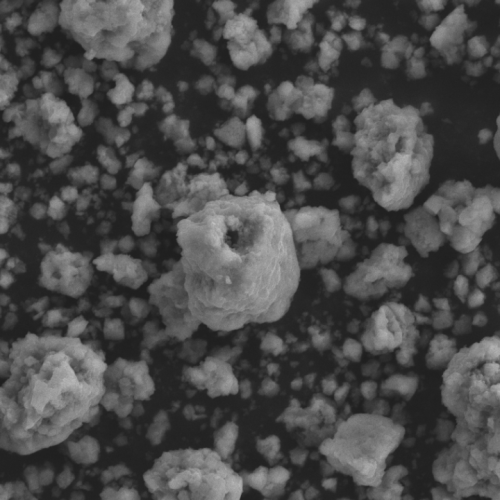
NTP anode material,also known as sodium titanium phosphate anode material, is a core functional powder widely used in advanced sodium-ion battery systems.
Thanks to its outstanding structural stability and reliable electrochemical properties, this material is perfectly suitable for aqueous sodium battery technology and large-scale energy storage scenarios. It has become a high-performance, cost-effective key material for the new energy storage industry.
Compared with traditional lithium-ion battery materials, NTP anode material provides a more sustainable and cost-efficient solution, especially for stationary energy storage applications where long cycle life, safety, and material cost are critical factors.
2.What is NTP (Sodium Titanium Phosphate) Anode Material?
2.1 Basic Definition
NTP anode material is a phosphate-based sodium ion battery material with a stable crystal framework composed of sodium, titanium, and phosphate groups. This structure allows reversible sodium ion insertion and extraction during electrochemical cycling.
2.2 Crystal Structure Advantage
The phosphate framework provides strong mechanical stability, while titanium enhances structural rigidity. This combination ensures that the material maintains its integrity even after thousands of charge-discharge cycles.
2.3 Functional Role in Batteries
In sodium ion batteries, NTP serves as the anode material responsible for:
- Sodium ion storage
- Fast ion diffusion
- Structural stability during cycling
- Long-term electrochemical reliability
3. Why Sodium Titanium Phosphate (NTP) is Important for Energy Storage?
3.1 High Safety in Aqueous Systems
NTP anode material is highly compatible with aqueous electrolyte systems. This means it can operate in water-based environments without risk of fire or thermal runaway, making it ideal for large-scale energy storage systems.
3.2 Excellent Cycle Stability
One of the most important advantages of sodium titanium phosphate is its long cycle life. The stable phosphate structure prevents material degradation during repeated charge-discharge processes.
3.3 Fast Sodium Ion Transport
The crystal structure of NTP allows fast sodium ion diffusion, which improves power performance and enables rapid charging and discharging capabilities.
3.4 Cost Advantage
Compared with lithium-based materials, sodium titanium phosphate is based on abundant raw materials, significantly reducing overall production cost for industrial battery systems.
4. Key Performance Advantages of NTP Anode Material
NTP anode material provides a combination of properties that make it highly suitable for modern energy storage applications:
- High structural stability under repeated cycling
- Fast ion diffusion pathways for improved power response
- Strong compatibility with aqueous electrolyte systems
- Long operational lifetime in sodium ion batteries
- Reduced capacity degradation over time
- Suitable for large-scale industrial production
These advantages make sodium titanium phosphate a key material in the development of next-generation sodium-based battery technologies.
5. Applications of Sodium Titanium Phosphate Anode Material
NTP anode material is widely used in various energy storage applications, including:
- Grid-scale energy storage systems
- Renewable energy integration (solar and wind storage)
- Industrial backup power systems
- Large stationary sodium ion battery systems
- Safe aqueous energy storage technologies
- Low-cost energy storage infrastructure projects
In these applications, the material plays a critical role in ensuring system stability, safety, and long-term performance.
6. Technical Advantages in Aqueous Sodium Ion Batteries
In aqueous sodium ion battery systems, sodium titanium phosphate demonstrates several key technical advantages:
First, it maintains excellent structural stability in water-based electrolytes, which significantly reduces side reactions at the electrode interface.
Second, it provides consistent electrochemical performance even after long-term cycling, ensuring stable energy output.
Third, it enables safer battery operation by eliminating flammable organic solvents commonly used in lithium-ion systems.
These characteristics make NTP one of the most reliable anode materials for aqueous sodium battery technologies.
7. Industrial Value of NTP Anode Material
From an industrial perspective, sodium titanium phosphate anode material is highly valuable due to:
- Scalable production methods
- Stable raw material supply chain
- Compatibility with existing battery manufacturing processes
- Low cost per energy storage unit
- Strong performance consistency in mass production
These factors make it highly attractive for commercial energy storage system developers and material suppliers.
8. Future Development Trends of NTP Materials
With the rapid development of renewable energy systems, sodium ion battery technologies are expected to play a more important role in global energy infrastructure.
NTP anode material is expected to evolve in the following directions:
- Higher energy density optimization
- Improved ionic conductivity engineering
- Surface modification for enhanced cycle life
- Integration with advanced cathode materials
- Large-scale grid storage deployment
These developments will further strengthen its position in the energy storage material market.
9. Conclusion
NTP anode material (sodium titanium phosphate) is a critical component in modern sodium ion battery systems, especially for aqueous and large-scale energy storage applications.
With its high stability, fast ion transport properties, and excellent safety performance, it provides a strong alternative to traditional lithium-based anode materials.
As global demand for clean and sustainable energy storage continues to grow, sodium titanium phosphate anode material will play an increasingly important role in shaping the future of energy storage technology.
10.FAQs
Q1:What are the advantages of NTP anode material compared to lithium-ion anodes?
A1:Compared with lithium-ion anode materials, NTP anode material offers better safety, lower raw material cost, and higher stability in aqueous systems. However, lithium-based materials typically provide higher energy density.
Q2:How does NTP anode material improve battery safety?
A2:NTP anode material improves safety by enabling the use of water-based electrolytes and maintaining structural stability during operation. This reduces the risk of thermal runaway and fire compared to organic electrolyte systems.
Q3:What is the difference between NTP and other phosphate anode materials?
A3:The main difference lies in its titanium-based structure, which provides faster ion diffusion and better stability in aqueous systems compared to other phosphate-based materials.
Q4:Can NTP anode material be used for large-scale energy storage?
A4:Yes, NTP is widely considered suitable for large-scale energy storage due to its low cost, long cycle life, and high safety performance, especially in grid-level applications.
Q5:What affects the performance of NTP anode material?
A5:Key factors include:
Material purity
Particle size distribution
Crystal structure quality
Surface modification
Electrolyte compatibility
Q6: Is sodium titanium phosphate suitable for industrial battery production?
A6:Yes, sodium titanium phosphate can be produced using scalable industrial processes and is compatible with existing battery manufacturing technologies, making it suitable for commercial applications.