

What Is Zirconium Silicate?
Zirconium silicate (ZrSiO4) is a naturally occurring mineral commonly known as zircon. It is widely used in ceramic-related industries due to its excellent combination of thermal stability, hardness, and chemical resistance.In industrial applications, zirconium silicate powder is valued because it maintains structural stability under high temperatures and exhibits very low thermal expansion. This makes it suitable for systems where dimensional accuracy and thermal shock resistance are critical.
Typical properties include:
| Property | Value |
| Melting Point | ~2550°C |
| Hardness | ~7.5 Mohs |
| Density | 4.6–4.7 g/cm³ |
| Thermal Expansion | ~4.5 × 10⁻⁶/K |
These properties form the basis of all zirconium silicate applications in advanced ceramics and industrial manufacturing.
Powder Manufacturing of Zirconium Silicate
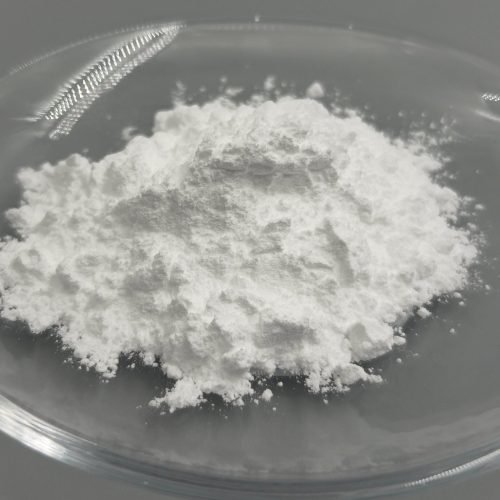
Zirconium silicate powder performance is strongly influenced by its manufacturing route.
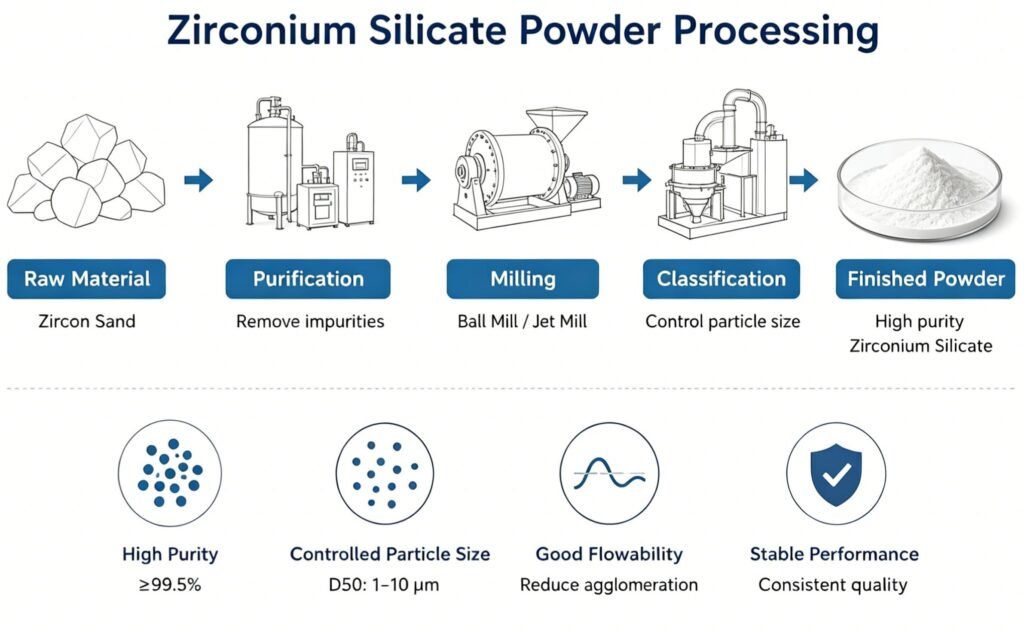
The production process typically starts from zircon sand, which is mined from heavy mineral deposits. The raw material is purified through physical separation methods such as gravity, magnetic, and electrostatic separation to remove impurities like rutile, ilmenite, and silica.
After purification, the material is processed into powder using milling technologies such as ball milling or jet milling. This stage is critical because particle size directly affects ceramic performance.
In general:
- Fine particles improve densification and surface finish
- Controlled particle distribution improves sintering stability
- High purity reduces defects in final ceramic products
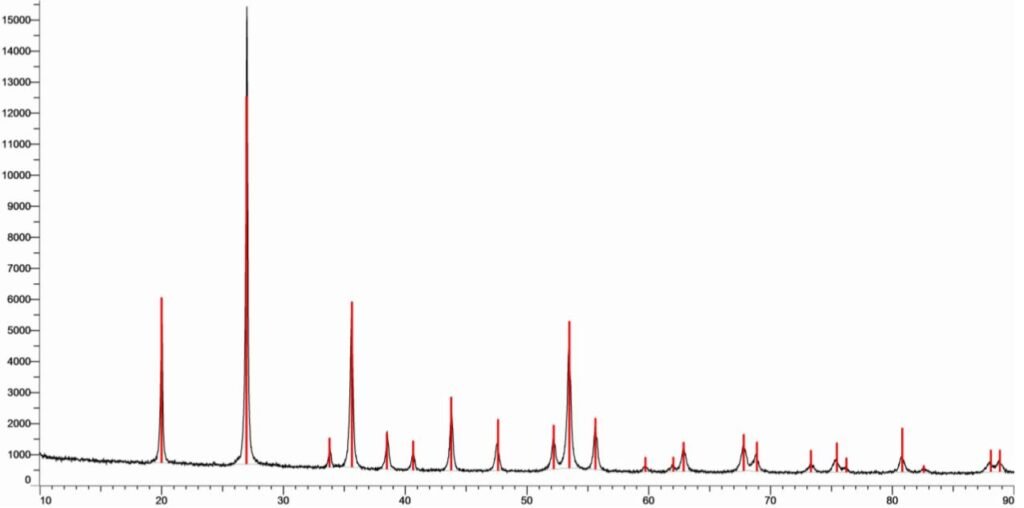
Quality control is typically performed using XRD, laser particle size analysis, and chemical composition testing to ensure batch consistency. Industrial-grade zirconium silicate powders usually target 99.9% purity for advanced ceramic applications.
Advanced Powder Processing and Surface Modification
The production of high-performance zirconium silicate powder involves a structured multi-step process, designed to ensure uniform particle size, high purity, and optimal flow characteristics for advanced ceramics. The process can be summarized in the following flowchart:
Zircon Sand → Purification → Milling → Classification → Drying → Surface Treatment → Final Powder Packaging
1. Zircon Sand Preparation
Raw zircon sand is first cleaned and screened to remove coarse impurities and non-zircon minerals. This ensures the starting material meets the required quality standards.
2. Purification
Physical separation methods such as gravity, magnetic, and electrostatic separation remove residual rutile, ilmenite, and silica. Chemical leaching may also be used for ultra-high-purity applications.
3. Milling
The purified zircon is ground using ball mills or jet mills to reach the target particle size. Precise control over milling time and energy input ensures uniform particle distribution, which is critical for sintering behavior and final ceramic performance.
4. Classification
After milling, powders are passed through classifiers or sieves to separate fine particles from oversized aggregates. This step ensures consistent particle size distribution and improves packing density in ceramic processes.
5. Drying
Moisture is carefully removed from the powder to prevent agglomeration and ensure stable flow during storage and subsequent processing. Spray drying or fluidized bed drying methods are commonly used.
6. Surface Treatment (Optional)
For specialized applications, powders may undergo surface modification or coating. This improves flowability, reduces particle agglomeration, and enhances compatibility with binders or other ceramic phases.
7. Final Powder Packaging
The finished zirconium silicate powder is carefully packaged under controlled conditions to prevent contamination and preserve powder properties for delivery to manufacturing facilities.
This step-by-step process ensures that zirconium silicate powder meets strict quality requirements and delivers consistent performance in high-temperature ceramics, refractory materials, and precision casting applications.
Industrial Performance Data of Zirconium Silicate Powder
To better understand zirconium silicate applications in industrial ceramics, it is important to evaluate its typical physical and processing performance data. The following values are based on ULPMAT company Technical Data Sheets (TDS) and are commonly used as reference standards in industrial production.
| Property | Typical Range | Industrial Relevance |
|---|---|---|
|
SiO2 |
Content 32–34% |
Indicates natural zircon composition stability |
|
ZrO2
|
Content 64–66% |
Main contributor to thermal and mechanical stability |
|
Density (true) |
4.6–4.7 g/cm³ |
Affects packing and casting behavior |
|
Mohs Hardness |
~7.5 |
Ensures wear resistance in ceramics and refractories |
|
Thermal Expansion |
4.0–5.0 × 10⁻⁶/K |
Critical for thermal shock resistance |
|
Melting Point |
~2550°C |
Enables high-temperature industrial use |
|
Typical Particle Size |
325-1250mesh |
Affects sintering and surface finish |
Notes: These performance parameters are measured and documented in ULPMAT TDS, ensuring the data reflects real industrial production conditions.
Key Zirconium Silicate Applications
Zirconium silicate applications are mainly concentrated in high-temperature and wear-resistant material systems.
In advanced ceramics, it is used to improve thermal stability and reduce cracking caused by thermal cycling. This is particularly important in electrical ceramics and structural components.
In the refractory industry, zirconium silicate is used in furnace linings, kiln furniture, and glass-contact materials because it maintains stability at high temperatures and resists deformation.
In ceramic coatings and glazes, it acts as an opacifier and reinforcing phase. It improves hardness, chemical resistance, and surface uniformity, especially in ceramic tiles and sanitary ware.
In precision casting, zirconium silicate is used as a mold and shell material. Its low thermal expansion helps maintain dimensional accuracy in metal casting processes, especially in aerospace and industrial components.
High-Performance Composite Applications
Beyond traditional uses, zirconium silicate powder is increasingly applied in high-performance composite ceramics.
When combined with other ceramic or metallic powders, it enhances wear resistance, thermal conductivity, and structural strength, making it suitable for aerospace components, energy systems, and specialized industrial tools.
These emerging applications demonstrate the versatility of zirconium silicate and its growing role in next-generation high-performance ceramic systems.
Factors Influencing Ceramic Performance
The performance of zirconium silicate in ceramic systems depends on a few key factors.
Purity is the most important. Higher purity reduces unwanted reactions during sintering and improves consistency of mechanical properties.
Particle size distribution directly affects processing behavior. Fine and uniform powders improve packing density, reduce porosity, and enhance surface finish after sintering.
Manufacturing stability also plays a role. Consistent milling and classification ensure repeatable performance across batches, which is critical for industrial-scale ceramic production.
Finally, processing conditions such as sintering temperature and forming method determine how effectively zirconium silicate contributes to final material performance.
Conclusion
Zirconium silicate (ZrSiO₄) is a stable and versatile ceramic raw material that plays an important role in modern high-temperature and wear-resistant material systems. Its combination of high melting point, low thermal expansion, hardness, and chemical inertness makes it suitable for a wide range of industrial uses, from advanced ceramics and refractory linings to ceramic coatings and precision casting applications.
The overall performance of zirconium silicate is not determined by chemistry alone, but is strongly influenced by powder manufacturing processes. In addition, consistent quality parameters ensure reliable behavior during ceramic processing and stable results in industrial production.As demand for high-performance ceramic materials continues to grow, zirconium silicate powder remains a key functional material for improving durability, thermal stability, and process reliability in demanding engineering environments.