| Product ID | Formula | Purity | Dimension | Inquiry |
|---|---|---|---|---|
| 301600ST001 | ZnS | 99.99% | Ø 25.4 mm x 3.175 mm | Inquire |
| 301600ST002 | ZnS | 99.99% | Ø 50.8 mm x 3.175 mm | Inquire |
| 301600ST003 | ZnS | 99.99% | Ø 50.8 mm x 6.35 mm | Inquire |
| 301600ST004 | ZnS | 99.99% | Ø 76.2 mm x 6.35 mm | Inquire |
| 301600ST005 | ZnS | 99.99% | Ø 101.6 mm x 3.175 mm | Inquire |
| 301600ST006 | ZnS | 99.99% | Ø 152.4 mm x 3.175 mm | Inquire |
| 301600ST007 | ZnS | 99.99% | Ø 152.4 mm x 6.35 mm | Inquire |
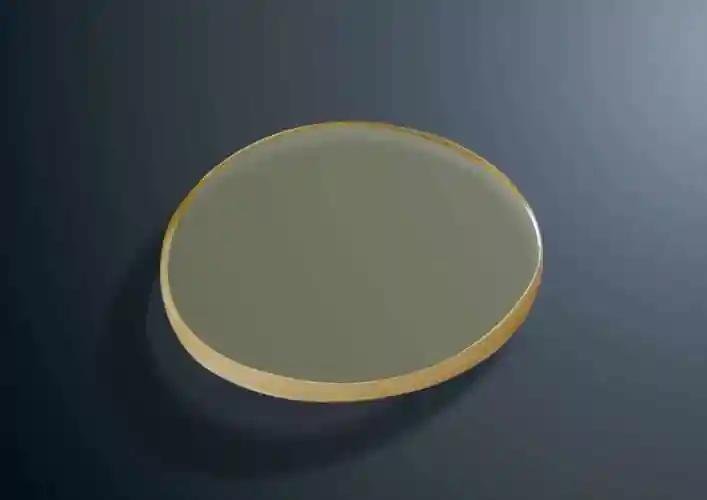
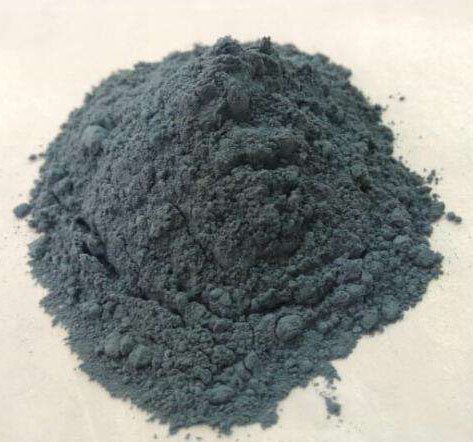
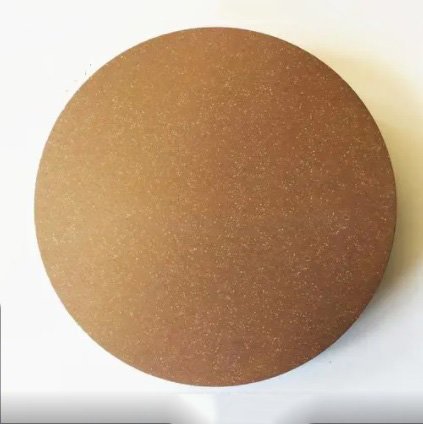
Zinc sulfide sputtering targetis a compound ceramic material composed of zinc and sulfur in a near 1:1 stoichiometric ratio. It is widely used in physical vapor deposition (PVD) processes for producing optical and infrared thin films.ZnS is classified as a II–VI compound semiconductor with a wide bandgap of approximately:3.5 – 3.7 eV。This wide bandgap enables its use in optical coatings requiring high transparency from visible to infrared wavelengths.
ULPMAT provides high-density ZnS sputtering targets with controlled microstructure, low impurity levels, and stable deposition behavior for both research and industrial-scale PVD applications.Contact us.
ZnS exhibits both semiconductor and optical ceramic characteristics depending on deposition conditions.
ZnS targets are typically used in RF magnetron sputtering systems due to their compound nature.
Typical sputtering process window :
RF power density: 1 – 5 W/cm²
Working pressure: 2 – 10 mTorr (Ar atmosphere)
Substrate temperature: < 200°C recommended
Deposition gas: Argon (Ar), sometimes with controlled O₂ < 1–3%
Process behavior considerations:
Low pressure (<2 mTorr): higher film density but increased stress risk
High power (>5 W/cm²): increased sulfur re-evaporation risk
Elevated temperature (>250°C): stoichiometric deviation may occur
Target density directly influences plasma stability and film quality.
High-density targets (≥95% theoretical density) provide:
Lower-density targets may introduce:
The performance of ZnS thin films is highly dependent on Zn:S ratio control.
Oxygen contamination above ~100 ppm can measurably increase optical loss, while levels around ~500 ppm may lead to significant degradation of film transparency.
ULPMAT ZnS targets are manufactured under controlled ceramic processing conditions:
Opticalcoatings: Anti-reflective (AR) coatings, optical multilayer filter systems, and high-transmission window coatings are key applications of zinc sulfide sputtering targets for optical thin film deposition.
Infrared applications: IR sensor windows (3–12 µm range systems), thermal imaging optical components, and aerospace optical assemblies utilize ZnS sputtering targets for infrared optical coating performance.
Research & semiconductor materials: II–VI compound semiconductor studies, chalcogenide thin film development, and photonic device research rely on ZnS sputtering targets in advanced material engineering applications.
| Material | Bandgap | IR Transmission | Stability | Application |
| ZnS | 3.5–3.7 eV | High (up to ~12 µm) | Medium | Optical/IR coatings |
| ZnSe | ~2.7 eV | Higher IR range | Medium | IR optics |
| CdS | ~2.4 eV | Limited IR | Lower | Photoconductors |
| Parameter | Value |
| Material | Zinc Sulfide (ZnS) |
| Purity | 99.99% |
| Density | ≥95% theoretical |
| Shape | Disk / Rotary / Customized |
| Sputtering Mode | RF / Magnetron |
| Application | Optical & IR thin films |
Q1: Why is ZnS mainly used in RF sputtering?
A1:Because ZnS is a compound semiconductor material that requires RF plasma for stable sputtering control.
Q2: What affects ZnS thin film optical quality most?
A2:Stoichiometry control and oxygen contamination are the most critical factors.
Q3: What is the typical substrate temperature for ZnS deposition?
A3:Usually below 200°C to avoid sulfur loss and composition deviation.
Q4: Why is high-density ZnS target important?
A4:Higher density improves plasma stability and reduces particle formation.
Each batch is supplied with:
Certificate of Analysis (COA)
Technical Data Sheet (TDS)
Material Safety Data Sheet (MSDS)
Third-party testing reports available upon request
ULPMAT provides engineered ZnS targets designed for stable thin film deposition:
Molecular Formula: ZnS
Molecular Weight: 97.45 g/mol
Appearance: White to light yellow dense ceramic target with a smooth and uniform surface
Density: 4.09 g/cm³
Melting Point: 1,850 °C
Boiling Point: 2,200 °C (before decomposition)
Crystal Structure: Two crystal forms: Cubic Zinc Blende (F-43m) and Hexagonal Wurtzite (P6₃mc)
Inner Packaging: Vacuum-sealed bags and boxed to prevent contamination and moisture.
Outer Packaging: Cartons or wooden crates selected based on size and weight.
If you need any service, please contact us