| Feature |
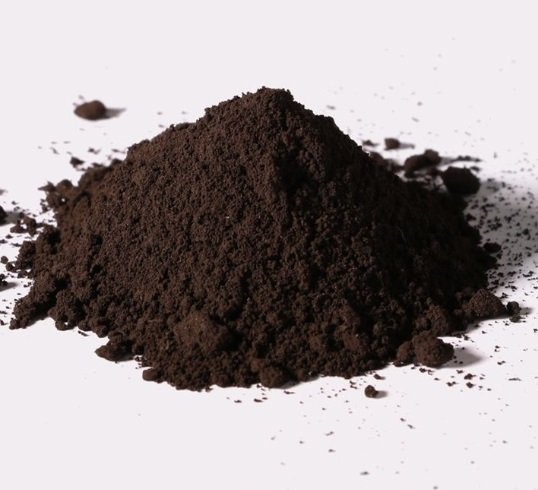
Powder |
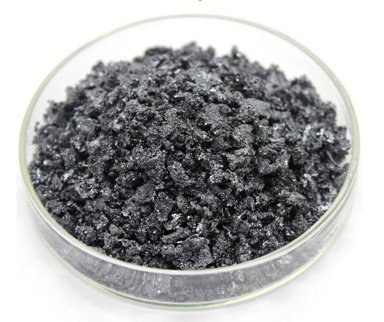
Granules |
| Form |
Fine powder |
Granular solid |
| Particle size |
Micron-level powder |
Millimeter-sized granules |
| Surface area |
Higher |
Lower |
| Mixing capability |
Better for powder processing |
Suitable for solid handling |
| Dust generation |
Higher |
Lower |
| Typical applications |
Ceramics, synthesis, research |
Target preparation, loading and melting |
How to Select Boron Powder?
The selection of boron powder depends on several factors:
Purity
High purity grades are preferred for applications requiring low impurity levels, including semiconductor research and advanced ceramics.
Particle Size
Particle size affects mixing behavior, reaction efficiency and processing performance. Different applications may require different powder sizes.
Application Method
The suitable boron powder grade depends on the intended process, such as synthesis, powder metallurgy or laboratory research.
Why Choose ULPMAT Boron Powder ?
ULPMAT provides with controlled specifications for research and advanced material applications.
Available options include:
- Purity grades up to 99.99%
- Customized particle sizes
- Technical documentation including TDS and SDS
- Material support for different applications
FAQ
What is boron powder?
It is a fine elemental boron material with high purity and controlled particle characteristics. It is used in advanced ceramics, semiconductor research, powder metallurgy and material synthesis.
What purity of boron is available?
It is available with purity levels up to 99.99%. Different purity grades can be selected according to application requirements.
What particle sizes are available for boron powder?
It can be supplied with customized particle sizes. The required particle size depends on the processing method and application.
What is boron used for?
It is used in advanced ceramics, semiconductor research, powder metallurgy, boron compound synthesis and scientific research.
What is the difference between boron and boron granules?
It has a smaller particle size and higher surface area, making it suitable for fine mixing and synthesis processes. Boron granules have larger particles and are easier to handle for applications requiring solid material loading.
Is boron powder hazardous?
High purity boron is not classified as hazardous according to applicable regulations when supplied as a solid material. Safety information is available in the SDS.
Does ULPMAT provide SDS and TDS for boron powder?
Yes. Technical documents including SDS and TDS are available for boron powder.