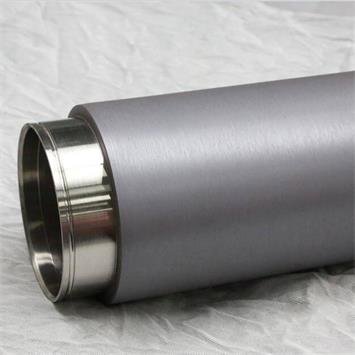
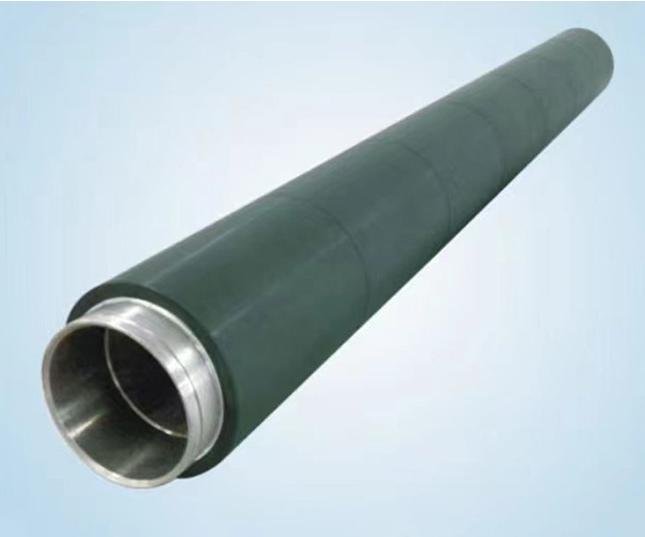
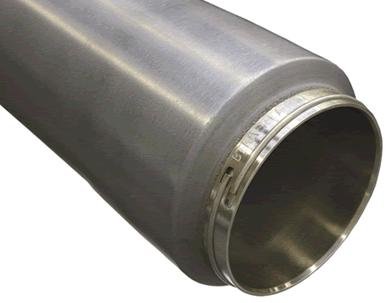
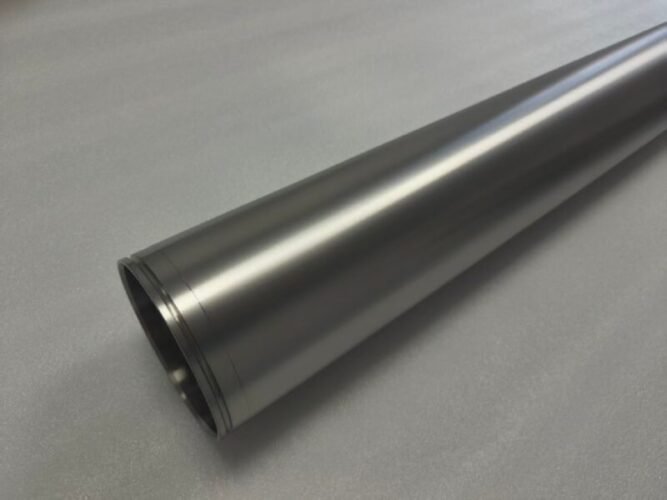
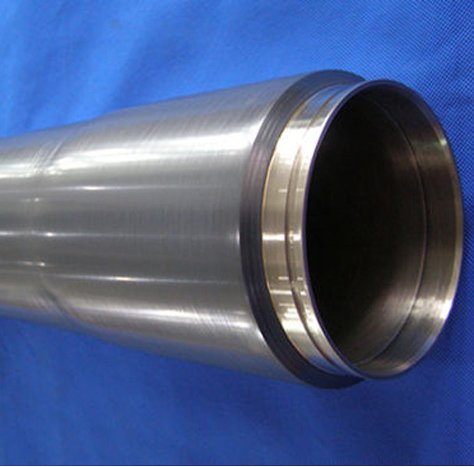
Silicon rotary targets are cylindrical sputtering materials designed for magnetron sputtering systems and large-area thin film deposition. Compared with conventional planar silicon targets, rotary targets provide higher material utilization, more stable continuous operation, and are suitable for industrial coating applications including optical coatings, photovoltaic technologies, semiconductor research, and advanced thin film applications.
We can provide silicon rotating targets with different structures and sizes according to equipment requirements, supporting process communication and technical integration. Please contact us directly for solutions.
Silicon (Si) rotary targets are high-purity cylindrical sputtering targets used in magnetron sputtering systems for physical vapor deposition (PVD) processes.Silicon is a widely used semiconductor and functional material due to its excellent electrical properties, optical characteristics, and chemical stability. In sputtering applications, silicon targets are commonly used to deposit silicon-based thin films for electronic devices, optical coatings, solar energy technologies, and research applications.
Compared with traditional planar silicon targets, rotary targets offer improved target utilization and longer operating cycles, making them suitable for high-throughput coating processes.ULPMAT supplies high purity silicon rotary targets with customized specifications, including purity level, dimensions, bonding requirements, and packaging options.
| Parameter | Specification |
| Material | Silicon (Si) |
| Chemical Formula | Si |
| CAS Number | 7440-21-3 |
| Purity | 99.999% / 99.95%(Purity is determined by the process.) |
| Target Type | Rotary |
| Shape | Cylindrical |
| Process | Magnetron Sputtering |
| Bonding | Available upon request |
| Custom Dimension | Available |
High Material Utilization: Rotary targets generally provide higher utilization efficiency compared with planar targets because erosion occurs continuously around the cylindrical surface.This helps reduce target replacement frequency and improves production efficiency for long-duration sputtering processes.
Stable Thin Film Deposition: The cylindrical geometry of rotary targets enables stable plasma distribution and consistent erosion behavior, helping maintain uniform thin film quality during continuous coating operations.
Suitable for Large-Area Coating: Silicon rotary targets are particularly suitable for large-area coating systems where uniform deposition and extended operation are required.
Large-area thin film deposition: Suitable for thin film deposition processes on large-area substrates, helping to improve film uniformity and process stability.
Display and photovoltaic coating processes: In display panel and thin-film photovoltaic manufacturing, the rotating target structure can meet the requirements of continuous production for deposition consistency.
Functional coating preparation: Suitable for preparing electrical, optical, or protective functional thin films, meeting the performance requirements of different application scenarios.
R&D and Process Validation: Widely used for optimizing new process parameters and studying material behavior, supporting stable testing under spinning sputtering conditions.
| Feature | Rotary Silicon Target | Planar Silicon Target |
| Target Utilization | Higher | Lower |
| Continuous Operation | Excellent | Limited |
| Large Area Coating | Suitable | Suitable |
| Target Replacement Frequency | Lower | Higher |
| Industrial Scale Deposition | Preferred | Limited |
ULPMAT provides silicon rotary targets with customized specifications according to customer requirements.
Available options include:
Technical documentation is available to support material evaluation and safe handling.
Available documents:
✓ Silicon Rotary Target Technical Data Sheet (TDS)
✓ Silicon Rotary Target Safety Data Sheet (SDS)
ULPMAT supplies high purity sputtering targets and advanced inorganic materials for research institutions, universities, and industrial applications.
For silicon rotary targets, ULPMAT provides:
Q1: What is a silicon rotary target?
A1: Silicon rotary target is a cylindrical sputtering target made from high purity silicon (Si) material and designed for rotary magnetron sputtering systems. It is used as a source material in physical vapor deposition (PVD) processes to produce silicon-based thin films for semiconductor, optical coating, photovoltaic, and functional coating applications.
Q2: What is silicon rotary target used for?
A2: Silicon rotary targets are used for thin film deposition applications where high purity silicon films and stable sputtering performance are required. Typical applications include optical coatings, semiconductor research, photovoltaic technologies, electronic materials, and large-area coating systems. The rotary target structure provides advantages for continuous sputtering operations with improved material utilization.
Q3: What purity levels are available for silicon rotary targets?
A3: Silicon rotary targets are commonly available in high purity grades such as 99.99% and 99.999%. The required purity level depends on application requirements, contamination control standards, and thin film performance requirements. Higher purity silicon targets are typically selected for advanced semiconductor and optical coating applications.
Q4: What is the difference between silicon rotary target and planar silicon target?
A4: The main difference between silicon targets and planar silicon targets is their geometry and sputtering utilization efficiency. Rotary silicon targets provide more uniform erosion, higher material utilization, and longer operating time compared with conventional planar targets. They are especially suitable for large-area coating systems and continuous industrial sputtering processes.
Q5: Why are silicon rotary targets preferred for large-area sputtering systems?
A5: Silicon targets are preferred for large-area sputtering systems because their cylindrical design enables continuous rotation during deposition, which helps maintain stable plasma conditions and uniform target erosion. This design can reduce target replacement frequency and improve coating efficiency for high-volume production environments.
Q6: What specifications can be customized for silicon rotary targets?
A6: ULPMAT provides customized silicon targets according to customer requirements, including purity grade, target dimensions, tube diameter, length, bonding requirements, and packaging specifications. Customized solutions are available for different sputtering equipment and thin film deposition applications.
Q7: Does ULPMAT provide silicon target TDS and SDS documents?
A7: Yes. ULPMAT provides technical documentation for silicon rotary targets, including Technical Data Sheet (TDS) and Safety Data Sheet (SDS). These documents provide information about material specifications, handling requirements, and safety considerations for material evaluation and application development.
Q8: How can I select the right silicon rotary target for my application?
A8: The selection of a silicon target depends on several factors, including required purity, target dimensions, sputtering equipment compatibility, film properties, and application requirements. Customers can provide their deposition conditions and technical requirements to receive suitable target recommendations.
Silicon Sputtering Target Specifications
7 Reasons Silicon Rotary Targets Are Used in Modern Thin Film Deposition
Molecular Formula: Si
Molecular Weight: 28.09 g/mol
Appearance: Silver-gray dense rotating target tube
Density: 2.33 g/cm³
Melting Point: 1414 °C
Boiling Point: 3265 °C
Crystal Structure: Diamond cubic system
Inner Packaging: Vacuum-sealed bags and boxed to prevent contamination and moisture.
Outer Packaging: Cartons or wooden crates selected based on size and weight.
If you need any service, please contact us