| Product ID | Formula | Purity | Dimension | Inquiry |
|---|---|---|---|---|
| 390800PD001 | Y2O3 | 99.995% (REO) | D50<10 μm | Inquire |
| 390800PD002 | Y2O3 | 99.999% (REO) | D50<10 μm | Inquire |
| 390800PD003 | Y2O3 | 99.995% (REO) | < 100 nm | Inquire |
| 390800PD004 | Y2O3 | 99.999% (REO) | < 100 nm | Inquire |
| 390800PD005 | Y2O3 | 99.9% (REO) | 20 - 63 μm | Inquire |
| 390800PD006 | Y2O3 | 99.995% (REO) | 20 - 63 μm | Inquire |
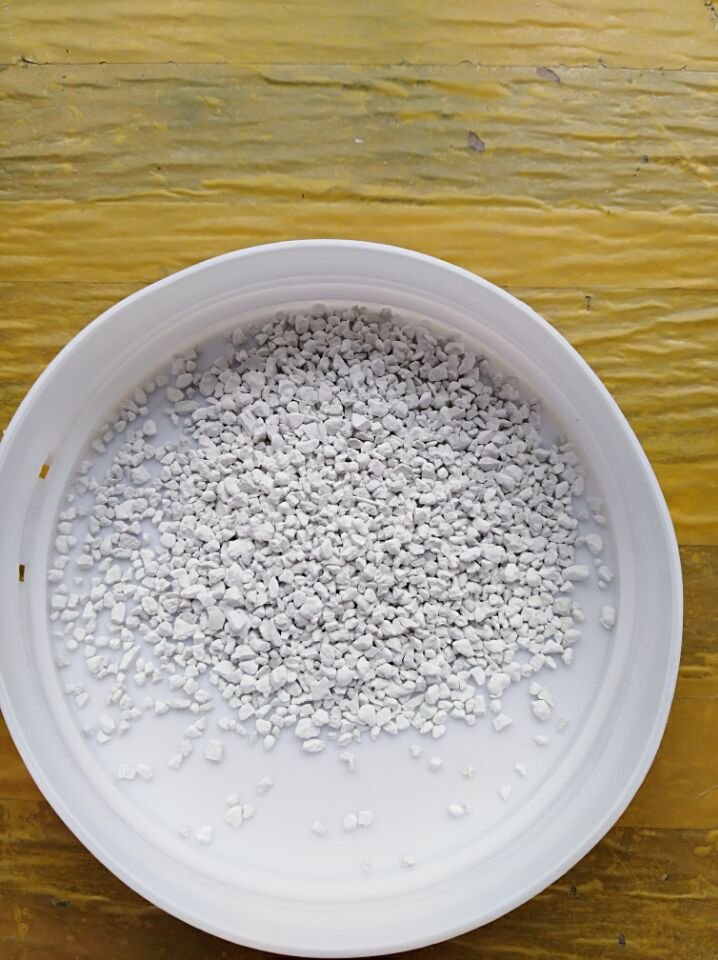
Yttrium oxide powder is a high-purity yttrium oxide powder widely used in laser materials, ceramics, and optical coatings.
We offer Y2O3 powder in various particle sizes and purity grades, suitable for lasers, ceramics, optics, and electronic devices. Whether for laboratory research or large-scale production, we provide flexible solutions. Please feel free to contact us.
High purity, low impurities
Customizable particle size and distribution
Excellent thermal stability
Good optical properties
Powerful catalytic properties
High quality guaranteed, fast delivery
Stable and reliable, long-term supply
Laser Materials: Used as an excitation material in high-power lasers to improve laser efficiency.
Ceramic Materials: Used as a toughening agent in high-temperature ceramics to improve their mechanical strength.
Optical Coatings: Used as reflective coatings in optical lenses and displays to improve their wear resistance and reflectivity.
Electronic Devices: Used in the preparation of materials for high-end electronic devices to enhance device stability.
Q1: What is the purity of Y₂O₃ powder?
A1: Our Y2O3 powder boasts a purity of over 99.9%, ensuring suitability for industries and applications requiring high precision.
Q2: How is yttrium oxide powder packaged?
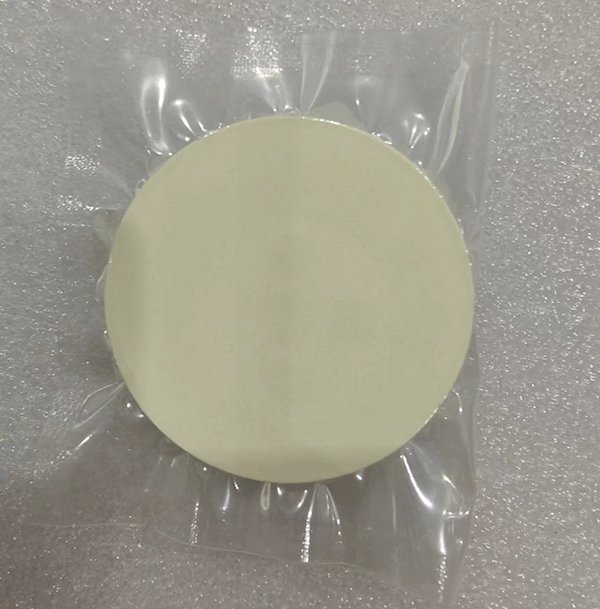
A2: We use moisture-proof, airtight packaging to ensure the powder remains dry and intact during transportation. Packaging options include vacuum bags and reinforced cartons.
Q3: Can the particle size of yttrium oxide powder be customized?
A3: Yes, we can customize Y₂O₃ powder with different particle size ranges according to customer needs, from micron-sized to nano-sized particles.
Q4: What are the storage requirements for Y₂O₃ powder?
A4: Yttrium oxide powder should be stored in a dry, cool, and well-ventilated place, avoiding moisture and high temperatures to ensure its long-term stability.
Each batch is supplied with:
Certificate of Analysis (COA)
Technical Data Sheet (TDS)
Material Safety Data Sheet (MSDS)
Third-party testing reports available upon request
1. What is yttrium oxide powder used for?
Yttrium oxide powder (Y₂O₃) is a high-temperature inorganic material used in advanced ceramics, phosphors, optical coatings, thermal barrier systems, and electronic materials. It is also used as a stabilizing component in yttria-stabilized zirconia (YSZ) ceramics and in the preparation of other yttrium-containing compounds.
2. How do I choose the right purity of yttrium oxide powder?
The required purity depends on the application and the tolerance for trace impurities. High-purity Y₂O₃ is generally preferred for optical materials, phosphors, electronic applications, and advanced ceramics where impurities may affect optical, electrical, or sintering behavior. Buyers should review the specified impurity limits and analytical data rather than relying on the nominal purity percentage alone.
3. How does particle size affect yttrium oxide powder performance?
Particle size can influence powder dispersion, packing density, reaction kinetics, and sintering behavior. Fine powders may provide greater surface area and shorter diffusion distances, while coarser powders may be suitable for other processing routes. The appropriate particle size depends on the forming method, processing conditions, and desired properties of the final material.
4. Can yttrium oxide powder be used to prepare yttria-stabilized zirconia (YSZ)?
Yes. Yttrium oxide is a principal starting material used to introduce yttria into zirconia-based compositions. The required Y₂O₃ content depends on the intended zirconia phase, ionic conductivity, thermal properties, and mechanical performance. Composition, mixing uniformity, and subsequent heat treatment must be controlled to obtain the desired material.
5. Is yttrium oxide powder suitable for optical coatings and phosphor materials?
Y₂O₃ is used in selected optical and luminescent material systems because of its chemical stability and suitability as a host material for certain luminescent ions. Its suitability depends on purity, trace-element content, particle characteristics, and the specific synthesis or coating process. For demanding applications, the relevant optical or luminescent properties should be evaluated in the finished material.
6. What specifications should I check before purchasing yttrium oxide powder?
Key specifications include chemical purity, trace impurity levels, particle size distribution, appearance, and any application-specific requirements. Depending on the process, buyers may also need information on moisture content, specific surface area, bulk density, or other physical properties. The required parameters should be confirmed against the intended application and the supplier’s technical data sheet (TDS).
7. How should yttrium oxide powder be stored and handled?
Yttrium oxide powder should be stored in a tightly closed, clearly labeled container in a dry environment to minimize moisture exposure and contamination. During handling, avoid generating or inhaling dust and follow the precautions specified in the product’s safety data sheet (SDS). Appropriate personal protective equipment and dust-control measures should be selected according to the actual handling conditions.
8. Can ULPMAT supply yttrium oxide powder with different specifications?
ULPMAT supplies inorganic materials for research and industrial applications. For yttrium oxide powder, customers should confirm the required purity, particle size, quantity, and application with ULPMAT before ordering. Availability of specific grades and customized specifications should be verified with the supplier.
9. What is the CAS number of yttrium oxide powder?
The CAS Registry Number for yttrium oxide (Y₂O₃) is 1314-36-9. This identifier can be used when reviewing technical documentation, safety data sheets, and purchasing specifications to help confirm the chemical identity of the material.
We specialize in providing high-purity, high-performance Y2O3 powder. Our rigorous quality control and flexible customization services make us a trusted partner for our clients. We are committed to fast delivery and stable supply to help you meet diverse application needs.
Chemical Formula: Y₂O₃
Molecular Weight: 225.81 g/mol
Appearance: White powder
Density: 5.01 g/cm³
Melting Point: 2410 °C
Crystal Structure: Cubic (C-type rare earth sesquioxide structure)
Inner Packaging: Vacuum-sealed bags and boxed to prevent contamination and moisture.
Outer Packaging: Cartons or wooden crates selected based on size and weight.
If you need any service, please contact us