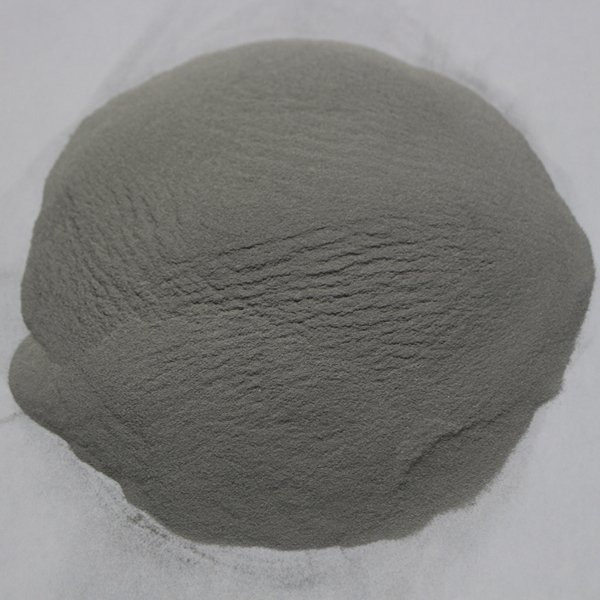
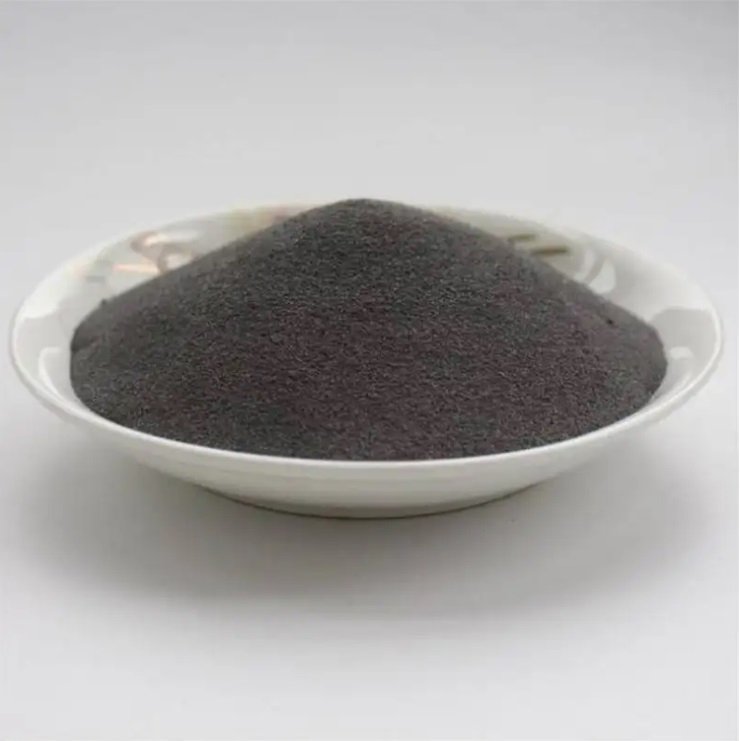
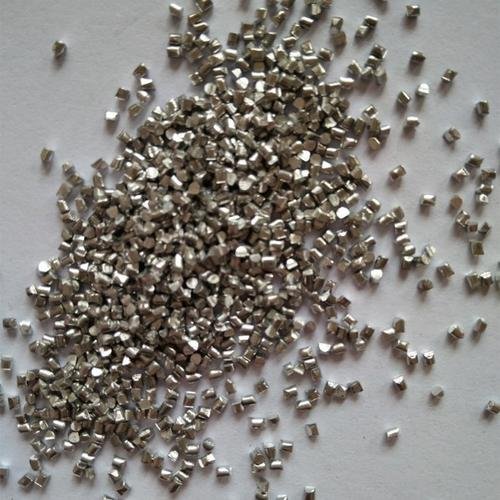
Titanium Vanadium Zirconium Niobium Hafnium Sputtering Targets Overview
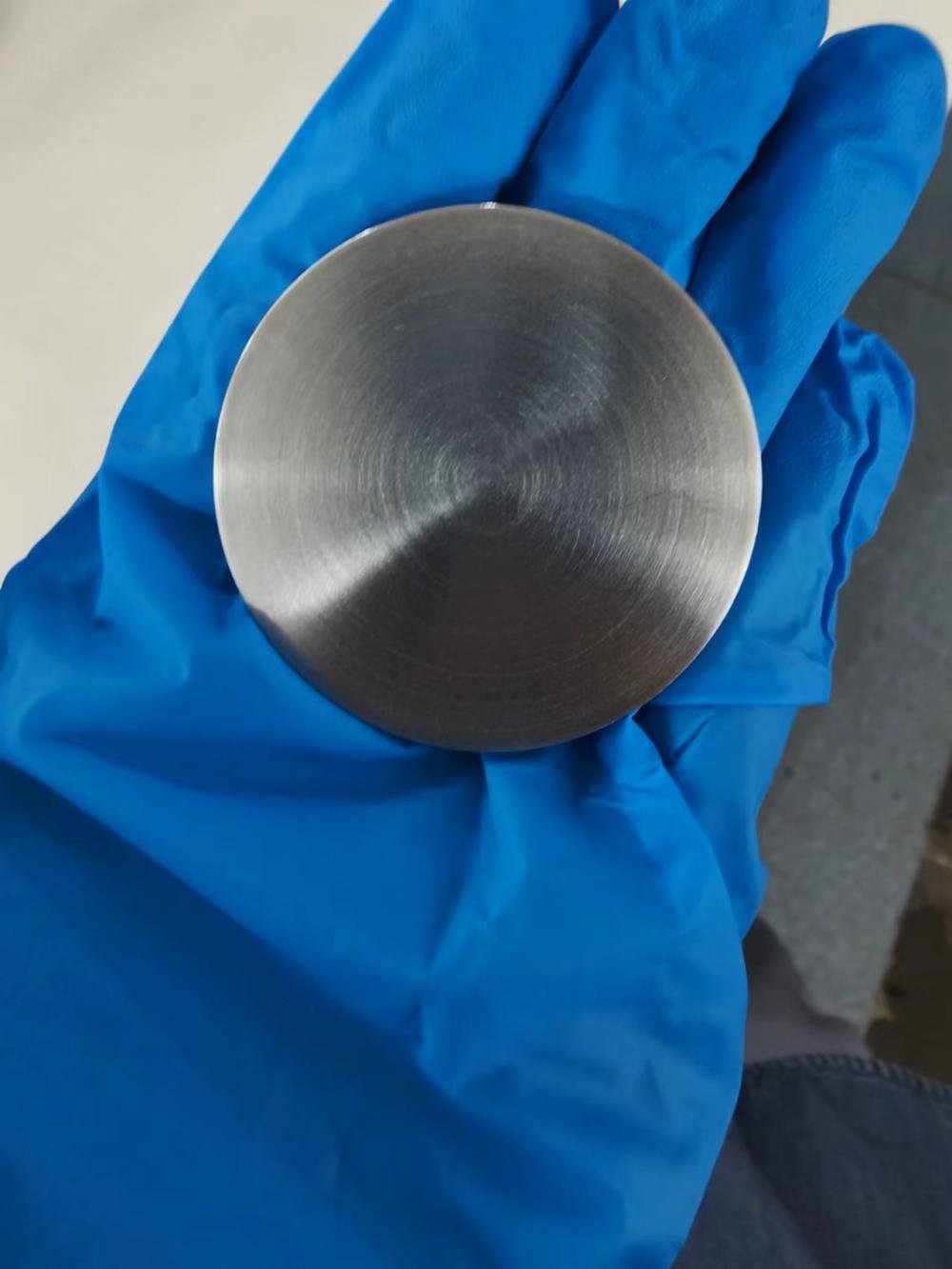
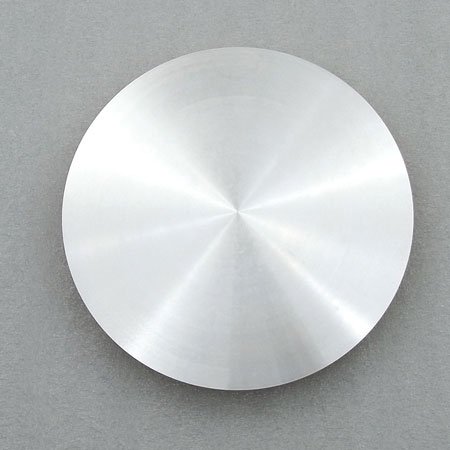
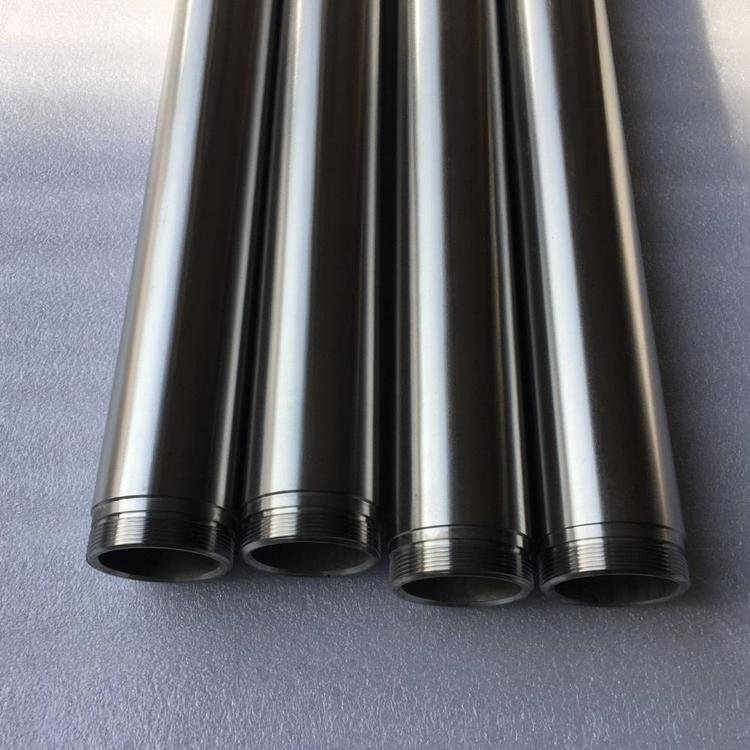
Titanium Vanadium Zirconium Niobium Hafnium sputtering targets represent high-performance, high-entropy alloy targets. Leveraging synergistic effects among their five primary elements, these targets exhibit outstanding mechanical properties, corrosion resistance, and high-temperature stability. They are suitable for cutting-edge coating applications in aerospace, nuclear energy, and high-end medical devices.
We offer TiVZrNbHf high-entropy alloy sputtering targets in multiple composition ratios, with customizable dimensions, crystal phase structures, and bonding solutions. Contact us for technical support.
Product Highlights
High-entropy effect delivers exceptional performance
Combines ultra-high strength with superior toughness
Outstanding corrosion and oxidation resistance
Uniform and controllable composition
Excellent thermal stability
Applications of Titanium-Vanadium-Zirconium-Niobium-Hafnium Sputtering Targets
Aerospace High-Temperature Component Protection: Used for protective coatings on high-temperature components such as aircraft engine turbine blades and combustion chambers, significantly enhancing resistance to high-temperature oxidation and thermal corrosion.
Nuclear Reactor Structural Material Coatings: Forms radiation-resistant, corrosion-resistant protective layers on surfaces like nuclear fuel cladding and reactor internals, extending their service life in extreme environments.
Surface Modification for Biomedical Implants: Functional coatings for artificial joints, dental implants, etc., combining excellent biocompatibility with wear and corrosion resistance.
Specialized Films for Semiconductors and Optical Devices: Suitable for heat dissipation layers in high-power devices, wear-resistant coatings for optical lenses, etc., providing stable and reliable performance support.
Q1: What is a high-entropy alloy target? How does it differ from traditional alloys?
A1: High-entropy alloys consist of five or more primary elements in near-equal proportions, exhibiting a unique “high-entropy effect.” They often form simple solid solution structures, resulting in superior comprehensive properties—including strength, toughness, corrosion resistance, and high-temperature endurance—beyond traditional alloys.
Q2: How do you ensure uniform distribution of the five elements?
A2: We employ vacuum arc melting combined with electromagnetic stirring technology, followed by multiple remelting and homogenization annealing processes. This ensures high compositional uniformity at both macro and micro scales.
Q3: Is this target material difficult to process?
A3: Yes. Due to its multiple high-melting-point, high-hardness elements, it has a narrow thermal processing window and demands extremely precise sintering or melting techniques. We employ mature hot isostatic pressing (HIP) and vacuum hot pressing technologies to produce highly dense targets.
Q4: Do you support small-batch R&D customization?
A4: Yes. We provide small-batch, multi-component customization services for universities, research institutes, and corporate R&D departments to support new material exploration and validation.
Report
Each batch is supplied with:
Certificate of Analysis (COA)
Technical Data Sheet (TDS)
Material Safety Data Sheet (MSDS)
Size Inspection Report
Third-party testing reports available upon request
Why Choose Us?
We possess a complete technological chain in high-entropy alloys and refractory metal targets, spanning composition design, melting preparation, and performance characterization. For complex multi-component alloys like TiVZrNbHf, our proprietary process database and simulation software enable targeted control over material properties.