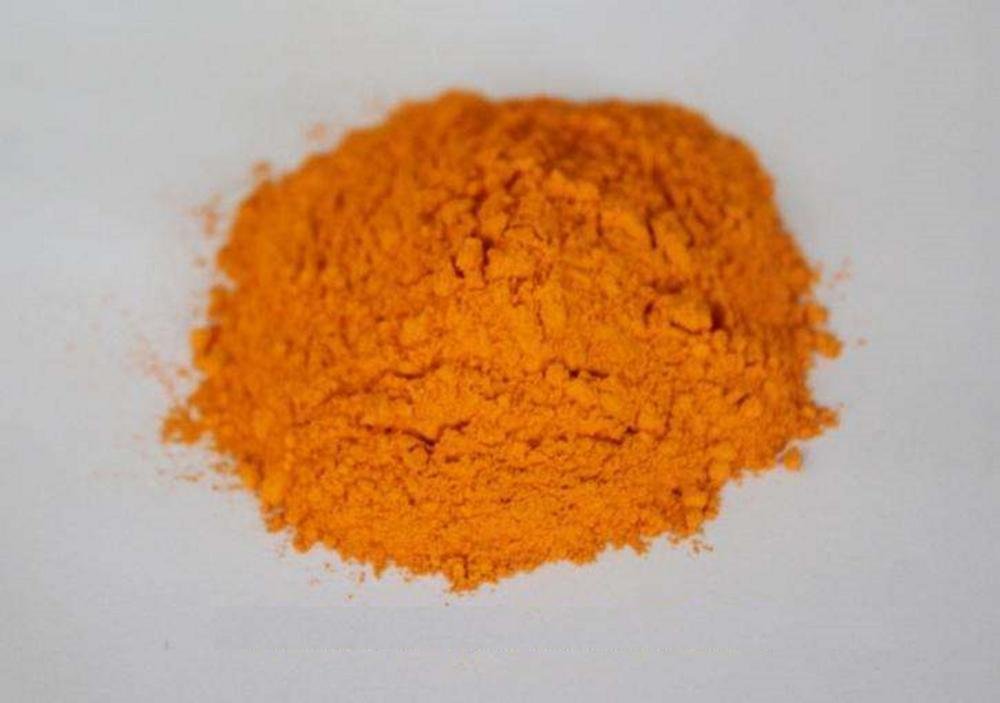
Tin(IV) iodide powder is a high-purity, chemically stable material commonly used in synthetic precursors, organometallic chemistry, crystal growth, and optoelectronic materials research. Its excellent volatility and photosensitivity make it suitable for a wide range of scientific and industrial applications.
We offer Tin(IV) iodide powders in various purity grades to meet the diverse needs of laboratory research and industrial preparation. We also provide comprehensive after-sales technical support; please feel free to contact us.
Product Highlights
Purity: 99.9% to 99.999% Powder form with excellent flowability High reactivity, suitable for the preparation of a variety of tin-based compounds Different specifications and packaging available upon request Suitable for materials synthesis, optoelectronic devices, organometallic chemistry, and other fields.
Applications of Tin(IV) iodide powder
Chemical synthesis precursor: Widely used in the synthesis of tin-based metal-organic frameworks and perovskite materials. Crystal growth: Used as a tin source in crystalline materials, particularly suitable for preparation methods such as thermal evaporation. Optoelectronic Applications: Shows potential in visible light-sensitive materials and nonlinear optical devices. Teaching and Research: Our high-purity powder is suitable for basic and applied research in universities and research institutions.
Reports
We provide a complete Certificate of Analysis (COA), Material Safety Data Sheet (MSDS), and relevant test reports for each batch of SnI₄ powder. We also support third-party testing services commissioned by our customers to ensure product quality and consistency.
Molecular Formula: SnI₄ Molecular Weight: 626.32 g/mol Appearance: Dark red crystals or powder, uniform texture, with a distinct surface gloss Density: Approximately 4.78 g/cm³ Melting Point: 144°C (easily fusible, sublimes at low temperatures) Crystal Structure: Tetragonal
Signal Word: Danger Hazard Statements: H302+H312+H332: Harmful if swallowed, in contact with skin or if inhaled H314: Causes severe skin burns and eye damage H317: May cause an allergic skin reaction H334: May cause allergy or asthma symptoms or breathing difficulties if inhaled H335: May cause respiratory irritation
Inner Packaging: Double-layer sealed plastic bags or aluminum foil bags for moisture and leakage protection. Outer Packaging: Iron drum or fiber drum, depending on the weight, with reinforced sealed lid. Hazard Packaging: UN-certified packaging compliant with regulations for hazardous materials transportation.