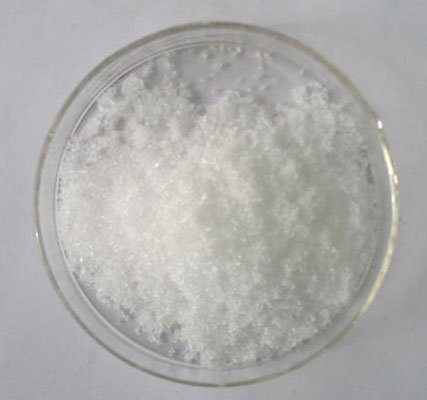
Tin(II) chloride hydrate Powder Overview
Tin(II) Chloride hydrate is a high-purity, stable inorganic tin compound widely used in electronic chemicals, catalysts, functional materials, and chemical synthesis. Its excellent reactivity and solubility make it a key raw material in fine chemicals, organotin compounds, and energy-related applications.
We offer SnCl2·2H2O powder in various purity grades and particle sizes, with flexible packaging options. Our experienced technical team can assist customers with material selection, performance evaluation, and application development. For technical or application inquiries, please contact us.
Product Highlights
Purity: 99%
High chemical stability: Low hygroscopicity, resistant to decomposition
Fine particle structure: Facilitates uniform dispersion and controlled reactivity
Multiple particle sizes available: Supports nano- to micro-scale distribution
Versatile applications: Suitable for catalysts, electronic chemicals, and organotin synthesis
Applications of Tin(II) chloride hydrate Powder
Catalyst and chemical synthesis: Precursor for tin-based catalysts and organotin compounds
Electronic chemicals: Tin source in semiconductor, electrode, and electroplating processes
Functional coatings and films: Used in CVD or solution-based coatings to produce tin-containing thin films
New energy materials: Applied in lithium-ion battery anode modification and electrode material preparation
Fine chemicals production: Reactant in organic synthesis and industrial chemical processes
Reports
Each shipment of SnCl₂·2H₂O powder is accompanied by:
Certificate of Analysis (COA)
Material Safety Data Sheet (MSDS)
Optional third-party testing for enhanced quality assurance
FAQ
Q1: What purity grades are available for SnCl₂·2H₂O?
A1: We provide 99.9% high-purity powder suitable for industrial and research applications. Custom grades are available upon request.
Q2: Can SnCl₂·2H₂O be used in thin-film deposition?
A2: Yes, it is commonly used as a tin precursor in CVD or solution-based processes to produce functional tin films.
Q3: How should I store SnCl₂·2H₂O powder?
A3: Store in a tightly sealed container, in a cool and dry place, away from moisture and direct sunlight to maintain stability.
Q4: Do you offer technical support for applications?
A4: Yes, our technical team provides assistance with material selection, performance evaluation, and application development.