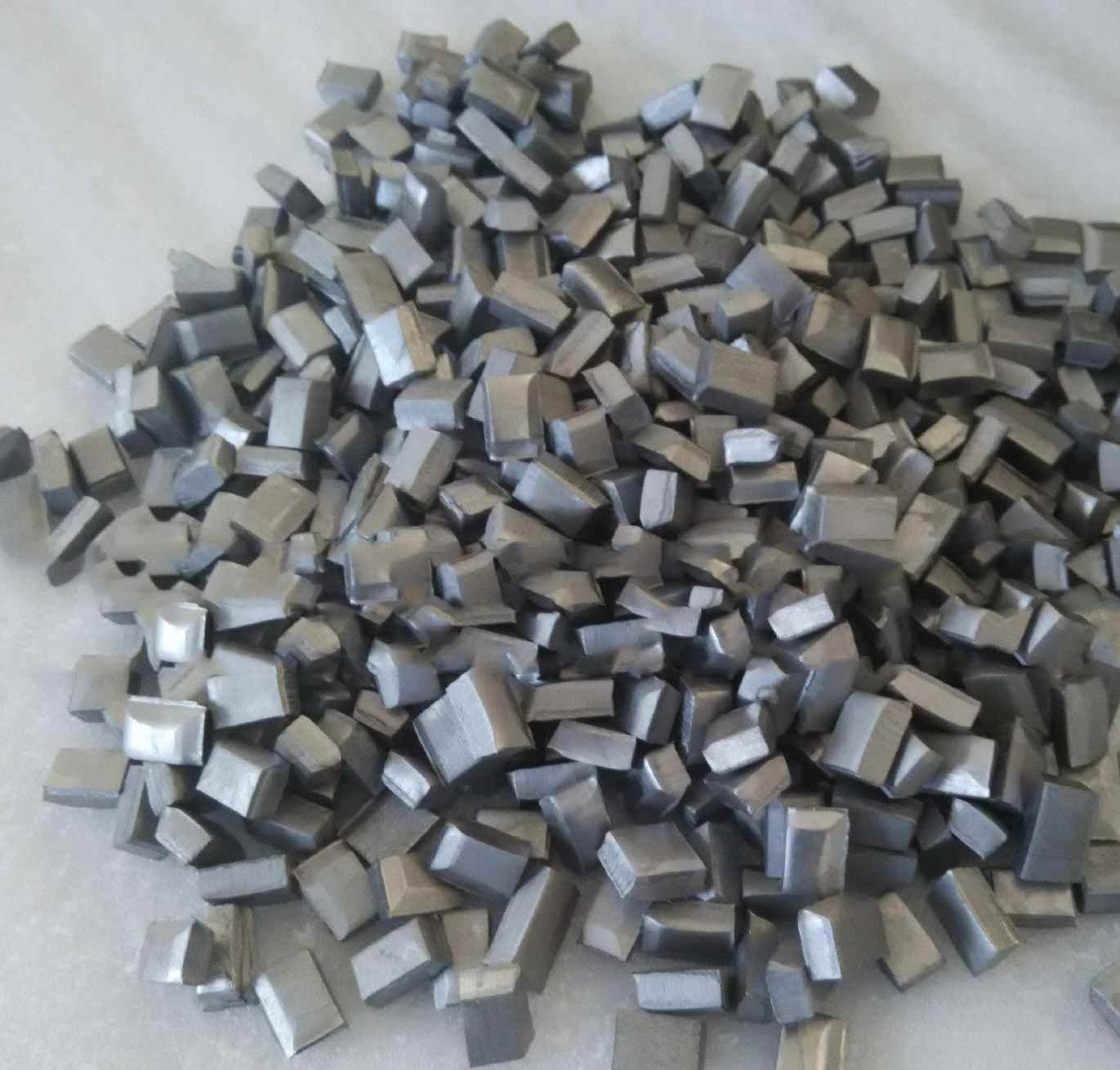
Niobium Metal Pellets Overview
Niobium metal pellets are a high-purity, high-melting-point metallic material, silvery-gray in color, with excellent corrosion resistance and high-temperature stability. Their granular form facilitates precise proportioning in metallurgical, electronic, and aerospace materials. They are primarily used in the manufacture of superconducting materials, high-temperature alloys, and aerospace materials.
We offer niobium metal pellets in various specifications. Our pellets are high-purity and uniform in size. Packaging and sizes can be customized to meet customer requirements for both laboratory and industrial production. For more information on niobium metal pellets specifications, pricing, and shipping methods, please contact us.
Product Highlights
High Purity
High-Temperature Stability
Excellent Corrosion Resistance
Fine Particle Size, Uniform Distribution
Customizable Packaging Specifications
Dual Application in Laboratory and Industrial Use
Applications of Niobium Metal Pellets
Superconductor Manufacturing: Niobium pellets are a crucial raw material for manufacturing high-performance superconductors, ensuring zero resistance at low temperatures.
High-Temperature Alloy Additive: Used in high-temperature alloys to improve the strength and corrosion resistance of materials.
Aerospace Components: Used in aerospace parts to enhance reliability in high-temperature and extreme environments.
Vacuum Electronic Devices: Used in the manufacture of vacuum tubes and electronic components to ensure stable performance of electronic equipment.
Q1: What are niobium metal pellets used for?
A1: Niobium metal pellets are commonly used as high-purity niobium sources for research, alloy development, and physical vapor deposition (PVD) processes. Due to niobium’s high melting point, corrosion resistance, and stable properties, these pellets are suitable for applications requiring controlled niobium material input, including thin film research and advanced material development.
Q2: What purity levels are available for niobium metal pellets?
A2: Niobium metal pellets are typically supplied in high-purity grades for laboratory and industrial applications. The required purity depends on the application, with higher purity materials preferred for vacuum deposition, scientific research, and electronic material development. ULPMAT provides niobium pellets with technical specifications and quality documentation upon request.
Q3: How are niobium metal pellets different from niobium powder?
A3: Niobium metal pellets and niobium powder differ mainly in physical form and application method. Pellets provide larger solid pieces that are easier to handle, store, and feed into certain melting or deposition processes, while powder offers higher surface area for powder metallurgy and other specialized applications.
Q4: Can niobium metal pellets be used for sputtering or thin film deposition?
A4:Yes. High-purity niobium metal pellets can be used as a niobium source material in thin film deposition applications. The suitability depends on the deposition system, purity requirements, pellet dimensions, and process conditions. For large-scale sputtering applications, niobium sputtering targets are often selected instead.
Q5: What factors should be considered when purchasing niobium metal pellets?
A5: Important factors include material purity, pellet size, chemical composition, surface condition, packaging, and quality documentation. For research and deposition applications, consistent material quality and traceable specifications are especially important to ensure reliable performance.
Q6: Why is niobium considered a valuable refractory metal material?
A6: Niobium is considered a refractory metal because it has a high melting point, excellent corrosion resistance, and good mechanical stability at elevated temperatures. These properties make niobium useful in specialized applications such as high-temperature materials, superconducting research, and advanced coating technologies.
Q7: How should niobium metal pellets be stored and handled?
A7: Niobium metal pellets should be stored in a clean, dry environment and protected from contamination. Proper handling practices help maintain surface quality and prevent mixing with incompatible materials during research or manufacturing processes.
Q8:Does ULPMAT provide customized niobium metal pellet sizes?
A8: Yes. ULPMAT provides niobium metal pellets with customized specifications according to customer requirements, including size, quantity, packaging, and technical documentation. Custom solutions are available for research laboratories and advanced material applications.
Reports
Each batch is provided with:
Certificate of Analysis (COA)
Technical Data Sheet (TDS)
Material Safety Data Sheet (MSDS)
Third-party testing reports are available upon request.
Why Choose Us?
Direct supply of high-purity raw materials, reliable quality
Customizable particle sizes and packaging
Provide a complete set of testing reports to ensure product traceability
Quick response to customer needs, supporting small and large batch orders
Years of export experience, ensuring safe transportation
Professional technical team provides application advice