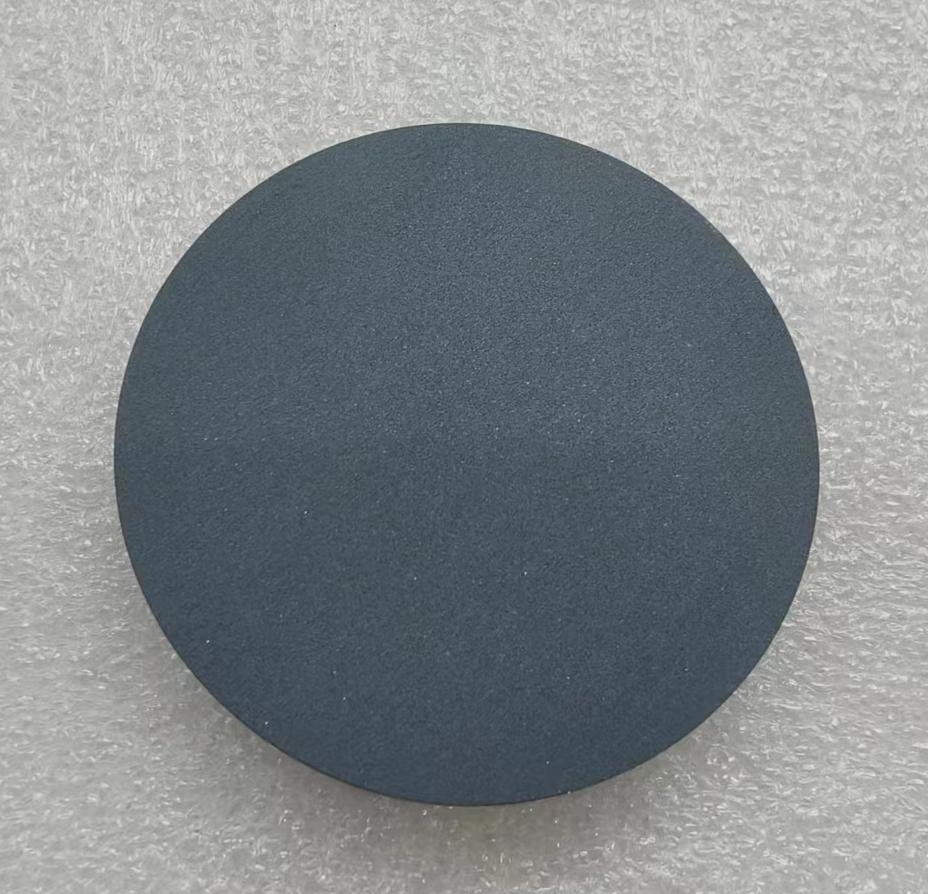
Lithium Iron Phosphate Sputtering Target Overview
Lithium Iron Phosphate sputtering targets are phosphate-based ceramic targets designed for thin-film deposition of LiFePO₄ functional layers. Owing to their olivine crystal structure, high thermal stability, and electrochemical reliability, these targets are primarily used in research and development of lithium-ion microbatteries, thin-film energy storage devices, and advanced materials studies.
Lithium Iron Phosphate sputtering targets are manufactured with controlled stoichiometry and dense microstructure to ensure stable and reproducible thin-film deposition. They are suitable for RF and magnetron sputtering processes, where precise film composition, thickness, and uniformity are required.
Product Highlights
Olivine-type LiFePO₄ phase with high structural and thermal stability
Dense ceramic structure for consistent sputtering performance
Controlled stoichiometry supporting uniform thin-film composition
Compatible with RF and magnetron sputtering systems
Designed for microbattery and thin-film battery research
Good adhesion and compatibility with common substrates
Applications of Lithium Iron Phosphate Sputtering Target
Thin-Film Lithium-Ion Microbatteries:LiFePO4 sputtering targets are used to deposit cathode layers for microbattery and thin-film energy storage devices.
High-Stability Energy Storage Research:Thin films from LiFePO4 targets are used in studies of cycling stability, lithium-ion transport, and electrochemical performance in micro-scale energy systems.
Electrochemical & Materials Science Research:The targets support advanced research into phosphate-based cathode thin films, electrode optimization, and functional material studies.
Functional Phosphate Oxide Coatings:LiFePO4 targets are applied in the development of functional coatings for energy storage, electronic, and optical devices.
Q1: What sputtering methods are suitable for Lithium Iron Phosphate targets?
A1: LiFePO₄ targets are typically used in RF or magnetron sputtering systems due to their ceramic and insulating nature.
Q2: Can LiFePO₄ thin films maintain lithium content during sputtering?
A2: Proper target design and optimized sputtering parameters ensure minimal lithium loss and consistent thin-film composition.
Q3: Can these targets be bonded to backing plates?
A3: Yes, bonding options can be provided based on target size and sputtering system requirements.
Q4: What substrates are compatible with LiFePO₄ thin films?
A4: Common substrates include silicon wafers, glass, sapphire, and other substrates used in thin-film battery research.
Report
Each batch is supplied with:
Certificate of Analysis (COA)
Technical Data Sheet (TDS)
Material Safety Data Sheet (MSDS)
Size Inspection Report
Third-party testing reports available upon request
Material Advantages
Lithium Iron Phosphate sputtering targets are frequently searched for microbattery research, thin-film cathode deposition, and phosphate-based energy storage studies. Their dense ceramic structure, controlled stoichiometry, and compatibility with RF/magnetron sputtering systems support high search visibility and technical relevance.