Lithium Hydride Powder Overview
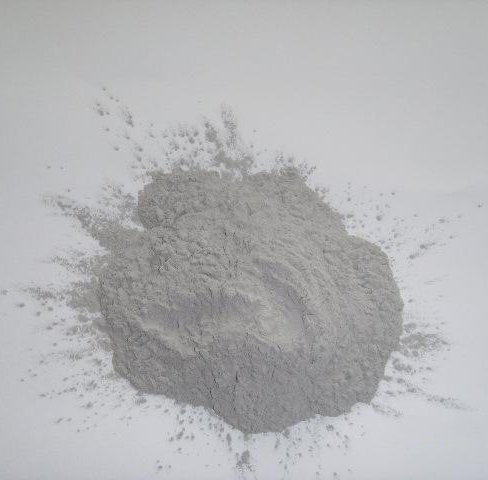
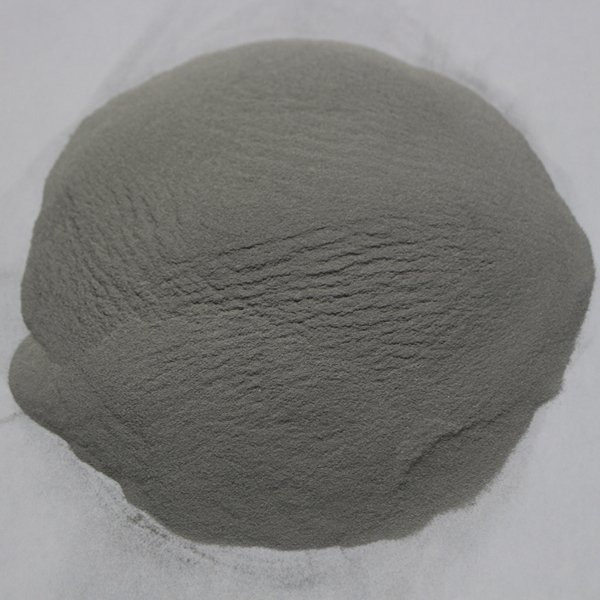
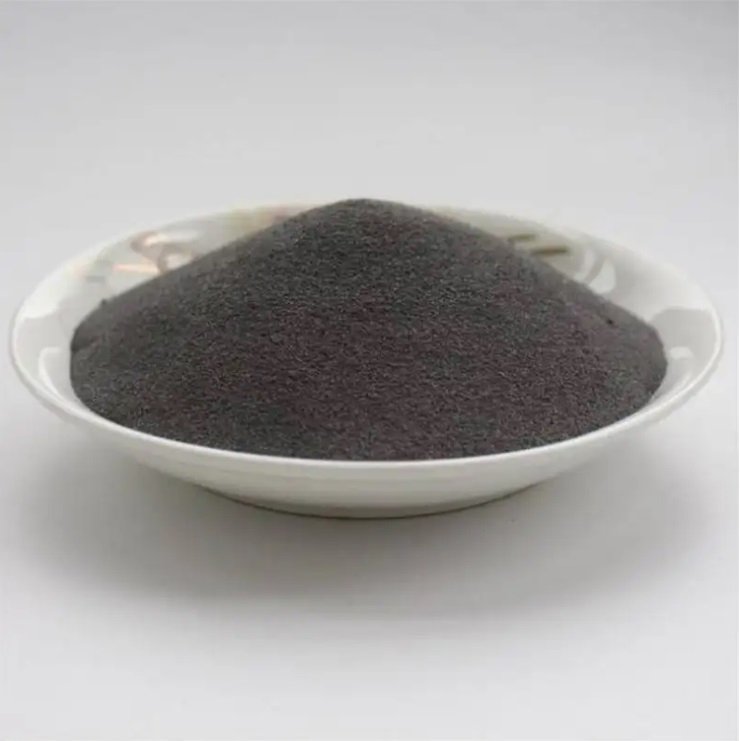
Lithium Hydride powder is an inorganic lithium compound known for its high hydrogen content, strong reducing properties, and thermal stability. It is widely used in hydrogen storage, chemical synthesis, and as a reducing agent in metallurgical and advanced materials applications.
Lithium Hydride powder is supplied with controlled particle size, high purity, and stable chemical composition, making it suitable for laboratory research, industrial applications, and hydrogen storage studies. The material reacts readily with moisture, forming lithium hydroxide and hydrogen gas, and should be handled under inert or dry conditions.
Product Highlights
High hydrogen content for energy storage and chemical applications
Strong reducing agent for synthesis and metallurgical reactions
Thermally stable under controlled conditions
Controlled particle size and high purity
Suitable for laboratory, industrial, and materials research applications
Reactive with moisture; handle under inert conditions
Applications of Lithium Hydride Powder
Hydrogen Storage Research:Lithium Hydride powder is investigated as a high-capacity hydrogen storage material in advanced energy research.
Chemical Synthesis & Reduction:LiH is used as a strong reducing agent in organic and inorganic chemical synthesis.
Metallurgical Applications:The powder serves in metal hydride preparations and reduction processes for metals and alloys.
Materials Science & Laboratory Research:LiH powder is applied in materials development, thermal studies, and hydride chemistry research.
Q1: How should Lithium Hydride powder be stored?
A1: Store in airtight containers under dry or inert atmosphere to prevent reaction with moisture.
Q2: Is Lithium Hydride safe to handle?
A2: LiH is highly reactive with water and should be handled with appropriate protective equipment and safety protocols.
Q3: Can Lithium Hydride be used for hydrogen generation?
A3: Yes, LiH reacts with water to produce hydrogen gas, but the reaction must be controlled for safety.
Q4: What industries commonly use LiH powder?
A4: LiH is used in chemical synthesis, metallurgical processes, hydrogen storage research, and laboratory experiments.
Report
Each batch is supplied with:
Certificate of Analysis (COA)
Technical Data Sheet (TDS)
Material Safety Data Sheet (MSDS)
Third-party testing reports available upon request
Material Advantages
Lithium Hydride powder offers high hydrogen content, strong reducing properties, and thermal stability, making it a versatile material for chemical synthesis, hydrogen storage, metallurgical processes, and advanced materials research.