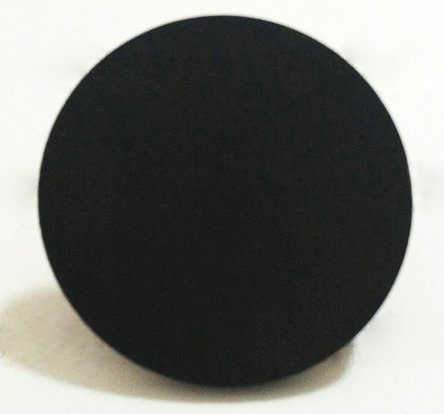
Lithium Cobalt Oxide Sputtering Target Overview
Lithium Cobalt Oxide sputtering targets are ceramic oxide targets designed for thin-film deposition of LiCoO₂ functional layers. They are widely used in battery thin films, micro-energy devices, and electrochemical research, where precise composition control and stable deposition behavior are required.
ULPMAT supplies Lithium Cobalt Oxide sputtering targets with controlled stoichiometry and dense microstructure, suitable for RF and magnetron sputtering processes. The targets are engineered to support uniform film growth, stable sputtering rates, and reproducible thin-film performance.
Product Highlights
Stoichiometric LiCoO₂ composition for reliable film chemistry
Dense ceramic structure supporting stable sputtering behavior
Uniform microstructure for consistent film thickness
Suitable for RF and magnetron sputtering systems
Good adhesion compatibility with common substrates
Designed for battery and electrochemical thin-film applications
Applications of Lithium Cobalt Oxide Sputtering Target
Thin-Film Lithium-Ion Batteries:Lithium Cobalt Oxide sputtering targets are used to deposit cathode layers for thin-film and micro-battery devices.
Microelectronics & MEMS:LiCoO₂ thin films are applied in micro-energy storage components integrated with electronic devices.
Electrochemical & Energy Materials Research:The targets are widely used in academic and industrial research for studying lithium-ion transport and electrochemical performance in thin-film form.
Functional Oxide Thin Films:Lithium Cobalt Oxide targets support the development of functional oxide coatings for advanced energy-related applications.
Q1: What sputtering methods are suitable for Lithium Cobalt Oxide targets?
A1: Lithium Cobalt Oxide sputtering targets are typically used in RF or magnetron sputtering systems.
Q2: Is lithium loss a concern during sputtering?
A2: Proper target design and optimized sputtering parameters help maintain film composition and reduce lithium volatility.
Q3: Can these targets be bonded to backing plates?
A3: Yes, the targets can be supplied with suitable bonding options depending on system requirements.
Q4: What substrates are compatible with LiCoO₂ thin films?
A4: Common substrates include silicon wafers, glass, sapphire, and metal substrates used in thin-film battery research.
Report
Each batch is supplied with:
Certificate of Analysis (COA)
Technical Data Sheet (TDS)
Material Safety Data Sheet (MSDS)
Size Inspection Report
Third-party testing reports available upon request
Why Choose ULPMAT?
ULPMAT focuses on advanced energy and functional oxide materials, offering controlled quality, technical support, and reliable supply for sputtering target applications in battery and thin-film research.