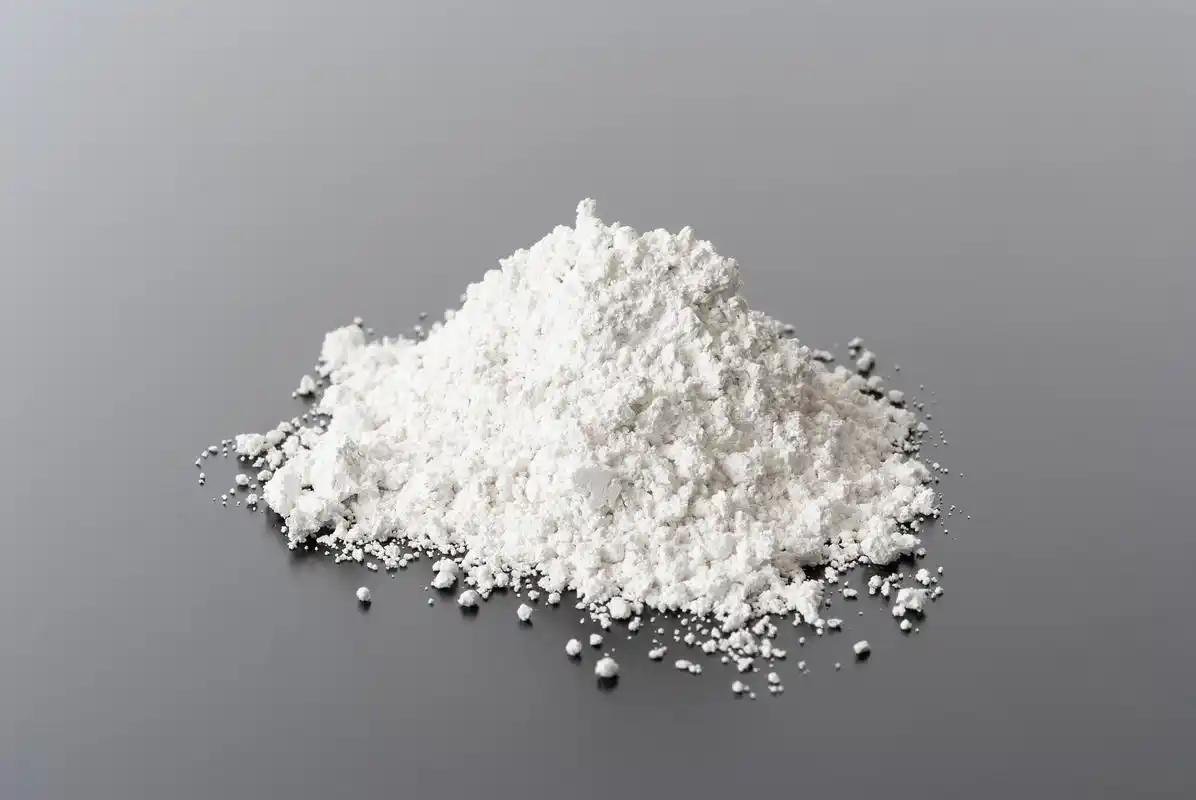
Lithium Aluminate powder Overview
Lithium Aluminate powder is a high-purity ceramic material widely used in lithium battery components, advanced ceramics, and solid-state electrolytes. In microelectronics, lithium aluminate is considered as a lattice matching substrate for gallium nitride.
Our high purity lithium aluminate powder is synthesized with controlled particle size and phase purity to meet the stringent requirements of research and industrial processes. We also offer comprehensive support—please feel free to contact us.
Product Highlights
Purity: ≥99.9%
Customizable Particle Size: Nano or micron scale available
Flexible Quantities: From grams for R&D to kilograms
Applications of Lithium Aluminate Powder
Precursor material for lithium-ion battery ceramics and solid electrolytes
Additive in ceramic composites and refractory materials
Component in lithium aluminosilicate glass-ceramics
Material for thermal barrier coatings and electronic ceramics
Q1: In which fields is Lithium Aluminate powder mainly used?
A1: It is commonly used in lithium battery-related materials, functional ceramics, the nuclear industry, and high-temperature structural materials research, especially suitable for applications requiring chemical stability.
Q2: How does Lithium Aluminate powder perform in high-temperature environments?
A2: This material exhibits good thermal stability under high-temperature conditions, and its structure is not easily decomposed, making it suitable for applications related to high-temperature reactions and long-term heat treatment.
Q3: Is Lithium Aluminate powder suitable for ceramic sintering processes?
A3: It can be used in ceramic forming and sintering processes, helping to prepare dense, uniformly structured functional ceramic materials.
Q4: What precautions should be taken when storing and using Lithium Aluminate powder?
A4: It is recommended to store it in a dry, sealed environment to avoid moisture absorption and contamination, in order to maintain the stability and consistency of the material during use.
Reports