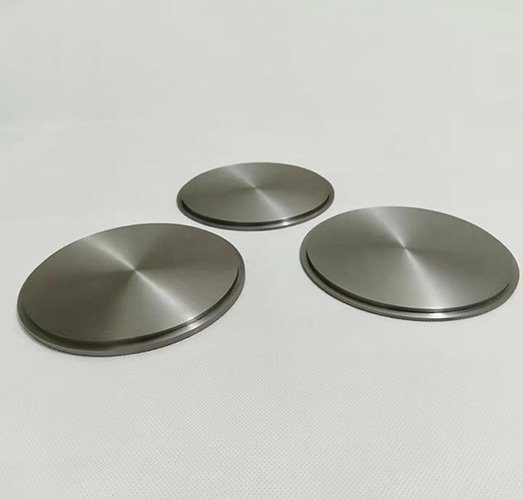
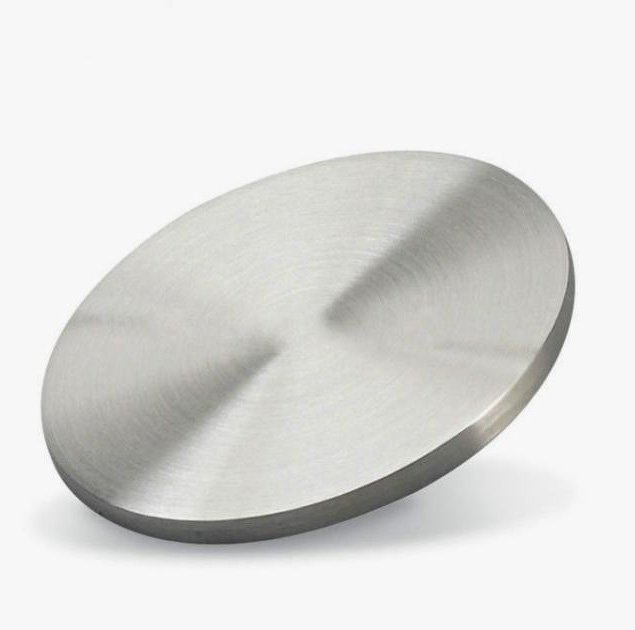
Iron metal Granules Overview
Iron metal granules, characterized by high purity and uniform particle size, are widely used in battery materials, electromagnetic shielding, metal coatings, and catalysis, suitable for various industrial and research needs.
We offer high-quality ferrous metal granules that meet industry standards and satisfy diverse customer requirements. Please feel free to contact us if you have any questions about our products.
Product Highlights
High Purity
Uniform Particle Size
Good Electrical Conductivity
Excellent Corrosion Resistance
Customization Services Available
Applications of Iron metal Granules
Battery Materials: Widely used as negative electrode materials in lithium batteries to improve charge and discharge efficiency.
Electromagnetic Shielding: Used for electromagnetic wave protection, improving equipment stability and anti-interference capabilities.
Metal Coatings: Can be used in coating processes to improve coating hardness and wear resistance.
Catalysts: Iron metal granules can act as catalysts, increasing reaction rates and selectivity in chemical reactions.
1. What are iron metal granules?
Iron metal granules are small solid particles or pieces of elemental iron (Fe), supplied in a granular form for materials research, metallurgical processing, and other applications requiring solid iron feedstock. Their chemical purity, particle dimensions, shape, and surface condition depend on the product specification and manufacturing process. Selecting a suitable grade requires matching these characteristics to the intended application.
2. What are iron metal granules commonly used for?
Iron metal granules can be used in metallurgy, alloy preparation, materials science research, laboratory experiments, and selected chemical or thermal processing operations. They may serve as a source of elemental iron when a granular feedstock is preferred over foil, rods, or bulk pieces. Suitability depends on the required composition, particle size, processing conditions, and the quality requirements of the final material.
3. How do iron granules differ from iron powder?
The main difference is particle size and physical form. Iron granules are generally coarser than fine iron powders, although the exact distinction depends on the supplier’s specified size range. Granules may be easier to handle in certain solid-feed operations, while fine powders provide greater surface area for processes requiring intimate mixing or rapid reaction. Buyers should confirm the actual particle-size distribution rather than relying on the product name alone.
4. Why are purity and particle size important when choosing iron granules?
Purity determines the levels of other elements present in the material, which can affect alloy composition, reaction behavior, and experimental reproducibility. Particle size influences material feeding, surface area, packing behavior, and the rate of interaction with other materials. For applications with strict composition requirements, buyers should specify the required iron purity, particle-size range, and impurity limits. These parameters should be evaluated together rather than treating purity as the only selection criterion.
5. Can iron metal granules be used for alloy preparation?
Yes. Iron metal granules can serve as a feedstock for preparing iron-containing alloys when their purity, size, and composition meet the process requirements. The required amount depends on the target alloy composition, batch size, and any material losses during processing. For reproducible results, confirm the specifications of the iron feedstock and consider the compatibility of the processing method, temperature, and atmosphere with the other alloying materials.
6. How should iron metal granules be stored and handled?
Iron metal granules should be stored in suitable, clearly labeled packaging under dry conditions to reduce moisture exposure, contamination, and corrosion. Avoid generating unnecessary dust during transfer or processing. Fine particles produced by crushing, grinding, or abrasion may present different hazards from larger granules, so handling precautions should follow the applicable Safety Data Sheet (SDS) and workplace risk assessment. Use appropriate protective equipment for the specific material and operation.
7. What details are needed to request a quotation for iron metal granules from ULPMAT?
When contacting ULPMAT, specify the required iron purity, particle-size range, order quantity, intended application, and destination country. If your project requires particular impurity limits, a Certificate of Analysis (CoA), or other technical documentation, include those requirements in your inquiry. Providing these details helps clarify whether the available material specifications meet your technical and procurement requirements.
8. Can ULPMAT supply iron metal granules with customized specifications?
ULPMAT can review inquiries for iron metal granules based on the required purity, particle size, quantity, and application. Availability of customized size ranges, packaging, and specific documentation should be confirmed for each order. To evaluate a suitable supply option, provide your target specifications and required quantity when submitting an inquiry.
Reports
Each batch is supplied with:
Certificate of Analysis (COA)
Technical Data Sheet (TDS)
Material Safety Data Sheet (MSDS)
Third-party testing reports available upon request
Why Choose Us?
Choosing us means receiving high-quality iron granules, rigorous quality control, and professional after-sales service support. We are committed to providing our customers with the highest quality products and solutions, ensuring your needs are met.