| Product ID | Formula | Purity | Dimension | Inquiry |
|---|---|---|---|---|
| 260800ST001 | Fe2O3 | 99.9% | Ø 25.4 mm x 3.175 mm | Inquire |
| 260800ST002 | Fe2O3 | 99.9% | Ø 50.8 mm x 3.175 mm | Inquire |
| 260800ST003 | Fe2O3 | 99.9% | Ø 50.8 mm x 6.35 mm | Inquire |
| 260800ST004 | Fe2O3 | 99.9% | Ø 76.2 mm x 3.175 mm | Inquire |
| 260800ST005 | Fe2O3 | 99.9% | Ø 101.6 mm x 1.58 mm | Inquire |
| 260800ST006 | Fe2O3 | 99.9% | Ø 203.2 mm x 2 mm | Inquire |
| 260800ST007 | Fe2O3 | 99.995% | Ø 50.8 mm x 6.35 mm | Inquire |
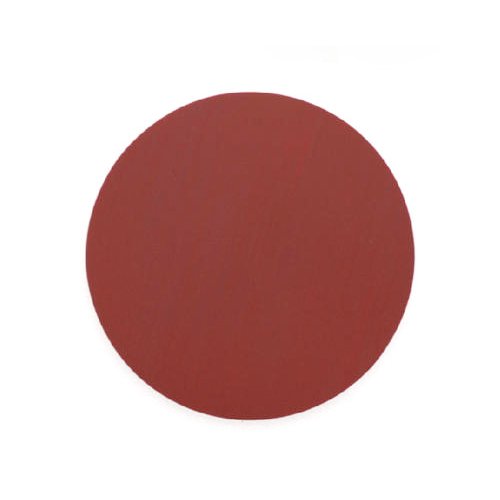
Ferric oxide Sputtering targets are solid source materials made of high-purity iron oxide ceramic, primarily used in physical vapor deposition (PVD) processes. They deposit thin films of iron oxide with specific optoelectronic, magnetic, or catalytic functions on substrates using methods such as magnetron sputtering. This material is widely used in optical coatings, magnetic devices, sensors, and cutting-edge photoelectrocatalysis research.
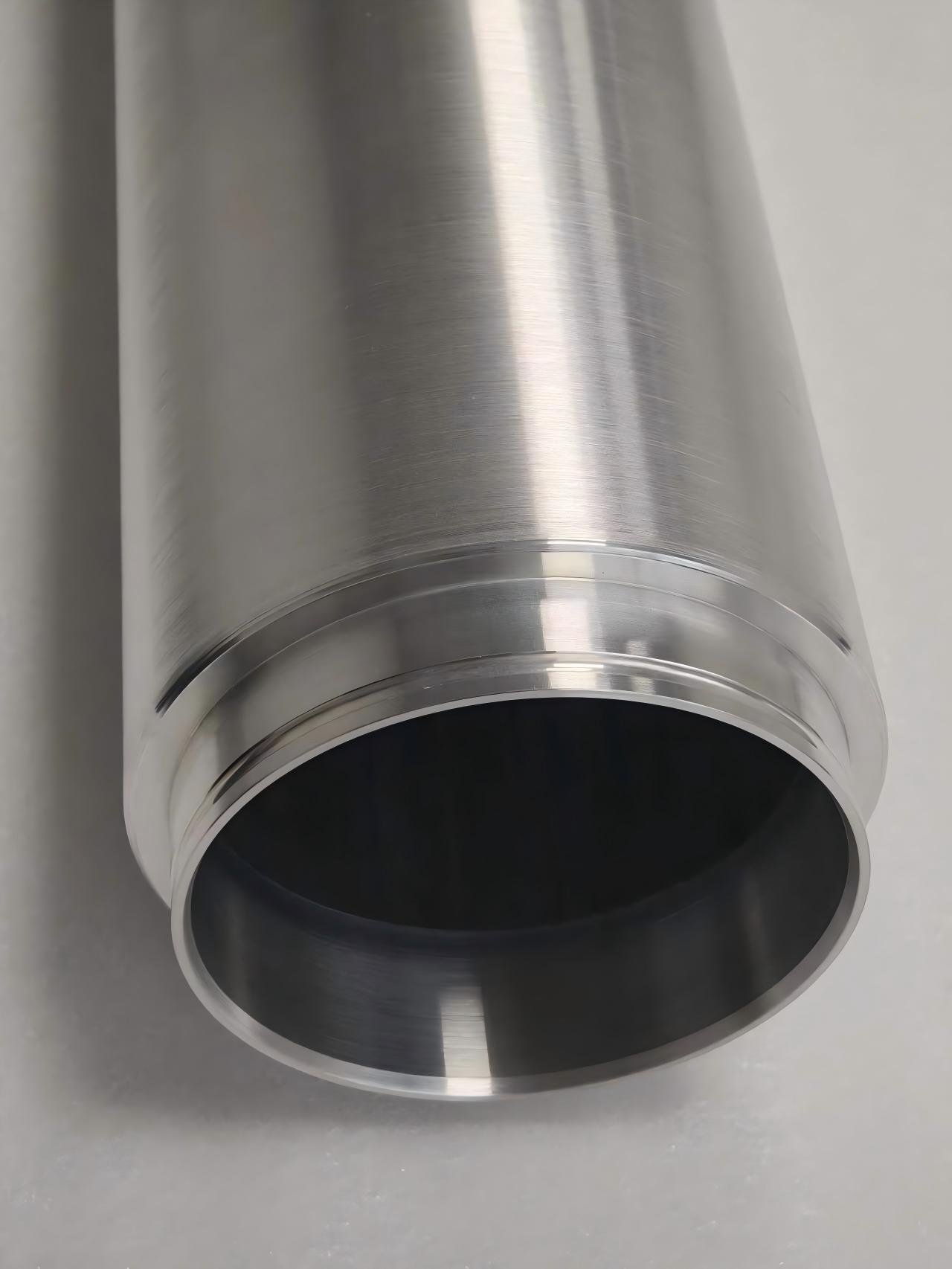
Our Fe2O3 targets can be customized in various shapes and sizes, including circular and rectangular, to meet your needs, ensuring a dense microstructure and stable performance. Please contact us for a detailed specifications list.
Ultra-high purity
Selectable crystal forms
High density and low porosity
Flexible and customizable specifications
Optical Thin Films and Coatings: Used for preparing antireflective films, interference filters, and various optical coatings. The refractive index, hardness, and other properties of the thin film are closely related to the purity of the target material.
Magnetic Functional Devices: Serving as the core target material for preparing key magnetic thin films in magnetic recording media, magnetic sensors, and magnetoelectronic devices. Gas and Chemical Sensors: Used for depositing sensitive thin films, their purity and microstructure directly affect the sensor’s sensitivity, selectivity, and response speed.
Photovoltaics and Catalysis Research: Used in solar energy conversion and catalysis as materials for preparing photoanodes or catalytic thin films. High purity and good crystallinity help improve conversion efficiency and stability.
Q1: What are the differences between α-Fe₂O₃ and γ-Fe₂O₃ target materials? How should one choose?
A1: The two differ in crystal structure and physical properties. α-Fe₂O₃ (hematite) is the most thermodynamically stable and widely used; γ-Fe₂O₃ (magnesite) has stronger magnetism. The choice depends on your thin film performance goals: if high chemical stability and a specific optical band gap are desired, the α phase can be selected; if a strongly magnetic thin film is required, the γ phase is more suitable. Our technical team can assist you in choosing based on the final application.
Q2: Why does the target material need to be bonded to a backing plate?
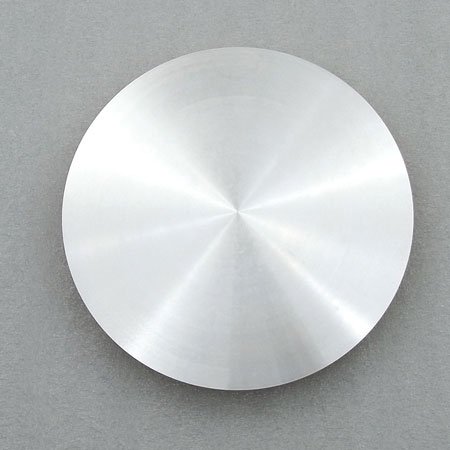
A2: Bonding with a high thermal conductivity metal backing plate is crucial. It quickly dissipates the enormous heat generated on the target surface during sputtering, preventing target cracking or performance degradation due to localized overheating, thus ensuring stable sputtering and extending target lifespan.
Q3: How should Iron(III) Oxide sputtering targets be stored?
A3: They should be stored in a dry, well-ventilated environment, laid flat to prevent impact, oxidation, contamination, and physical damage.
Q4: Are products customized?
A4: We can customize various products according to customer needs.
Each batch is supplied with:
Certificate of Analysis (COA)
Technical Data Sheet (TDS)
Material Safety Data Sheet (MSDS)
Size Inspection Report
Third-party testing reports available upon request
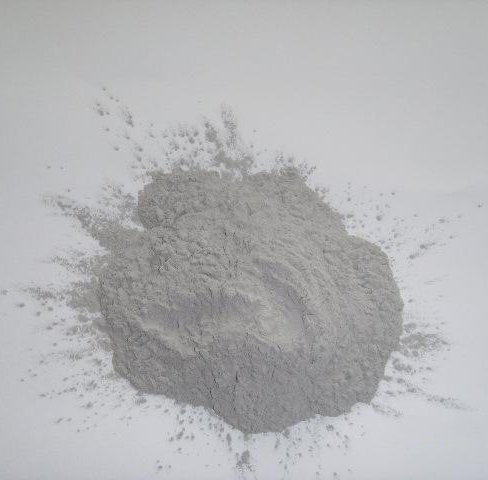
We focus on the research and development and production of high-performance ceramic sputtering targets, deeply understanding the decisive influence of material purity, crystal form, and microstructure on the final thin film performance. From high-purity powder synthesis to precision sintering, we implement strict quality control throughout the entire process to ensure that every target material has excellent quality.
Molecular Formula: Fe₂O₃
Molecular Weight: 159.69 g/mol
Appearance: Dense solid, reddish-brown to dark red
Density: Approx. 5.24 – 5.26 g/cm³
Melting Point: Approx. 1565 °C (decomposes)
Boiling Point: Approx. 3414 °C (decomposes)
Crystal Structure: Usually trigonal (α-Fe₂O₃, hematite structure)
Inner Packaging: Vacuum-sealed bags and boxed to prevent contamination and moisture.
Outer Packaging: Cartons or wooden crates selected based on size and weight.
If you need any service, please contact us