Copper Zinc Tin Sulfide Powder Overview
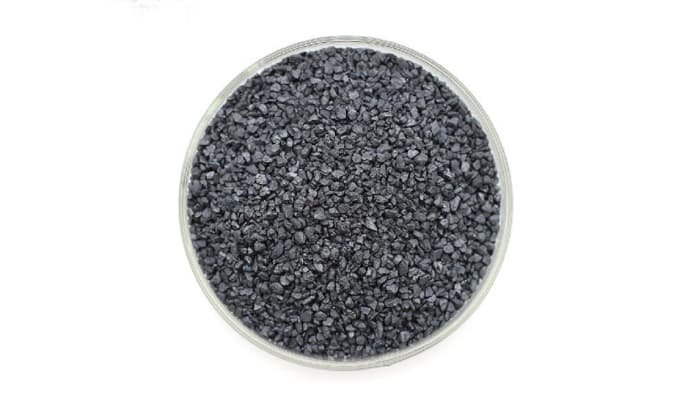
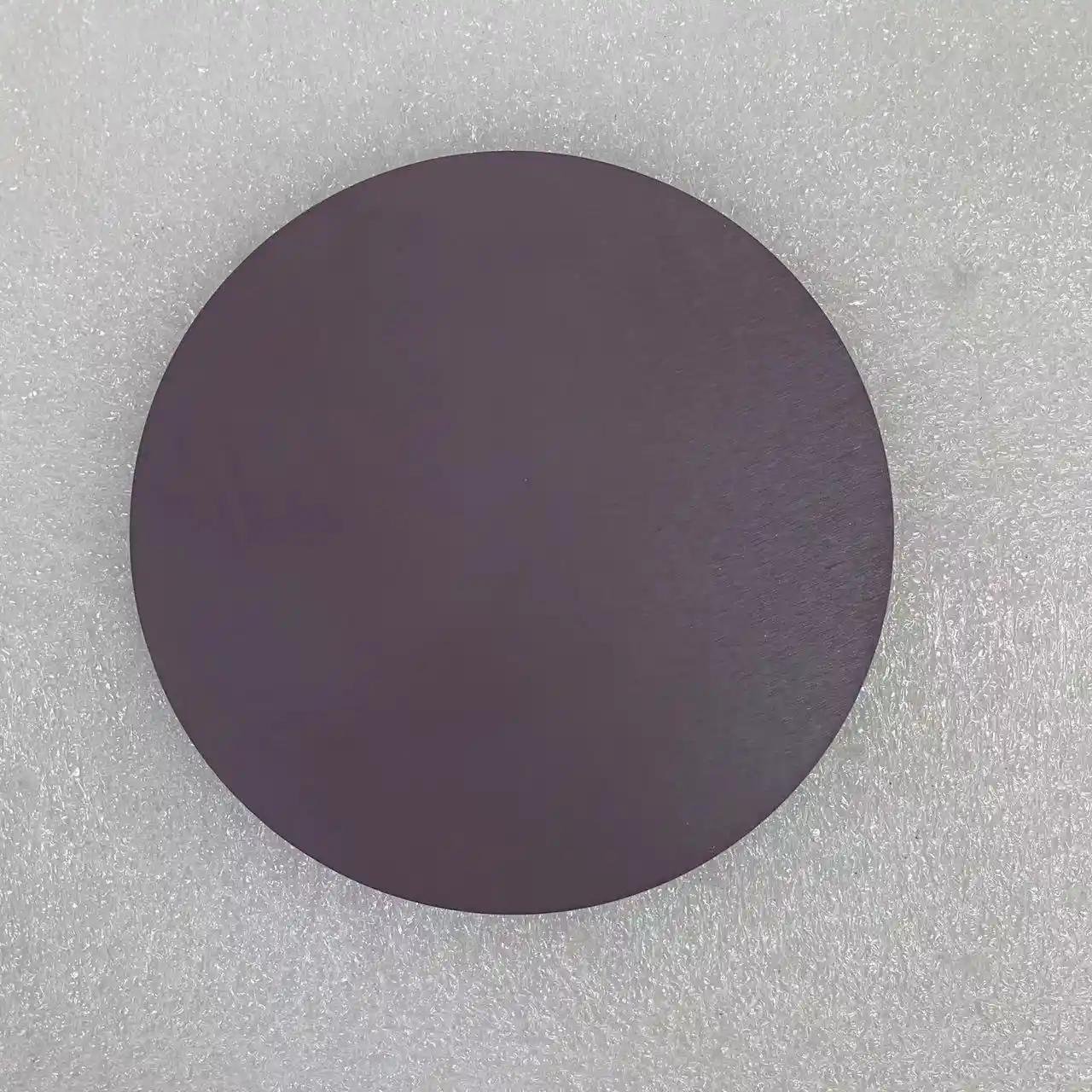
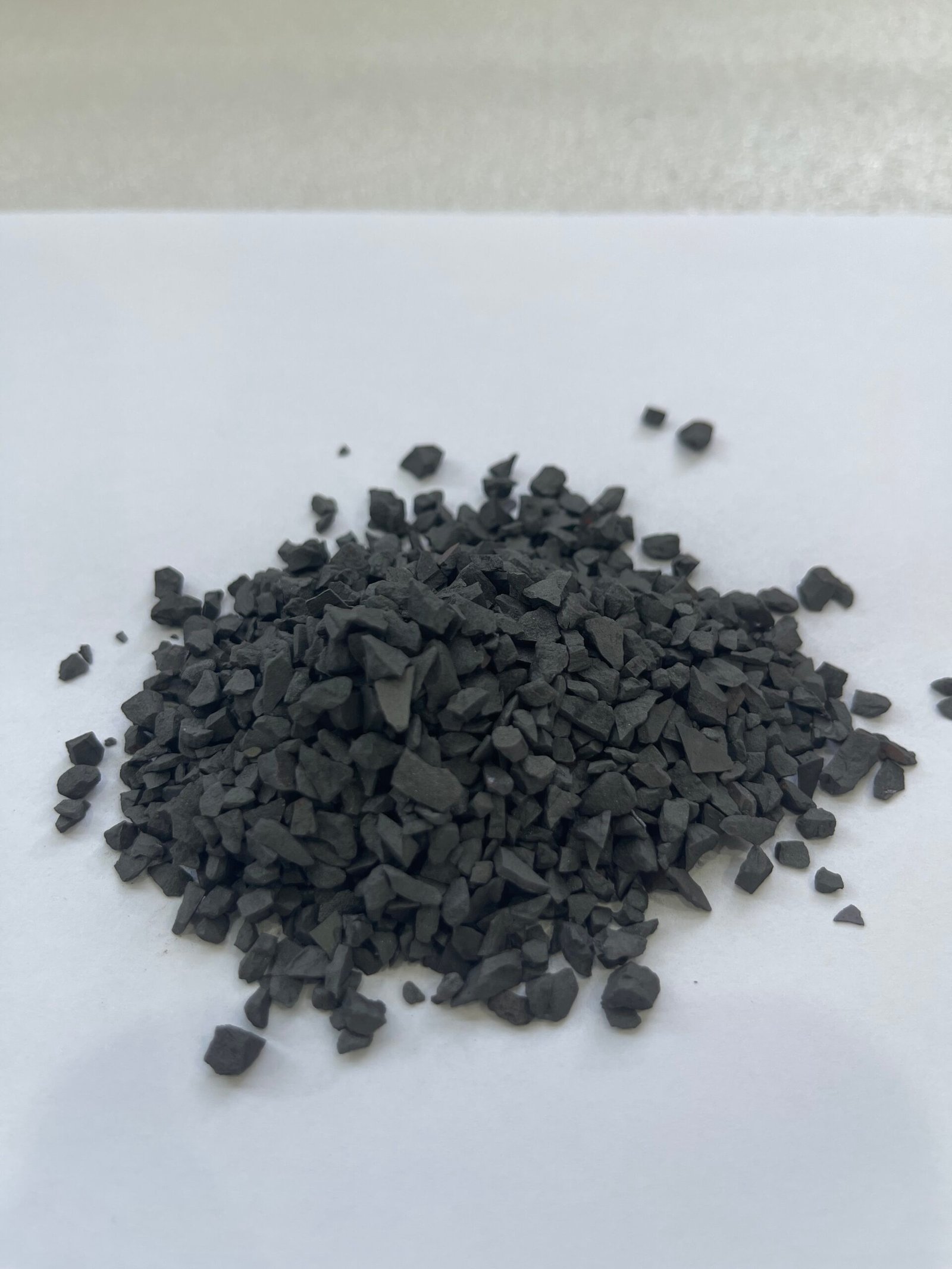
Copper Zinc Tin Sulfide Powder is a high-purity copper zinc tin sulfide material widely used in photovoltaic, semiconductor, and functional material preparation.
We offer Copper Zinc Tin Sulfide powder in various particle sizes, purities, and packaging specifications. Please contact us for samples or customized technical solutions.
Product Highlights
High purity
Uniform particle size and controllable distribution
Chemically stable
Low impurity content
Easy to process and prepare thin films
High batch consistency
Small order quantity and flexible packaging
Suitable for research and industrial applications
Applications of Copper Zinc Tin Sulfide Powder
Photovoltaic Material Preparation: Used in the preparation of CZTS absorber layers for thin-film solar cells, improving photoelectric conversion efficiency and stability.
Semiconductor Device Development: As a p-type semiconductor material powder, used in the development and research of new electronic and optoelectronic devices.
Functional Coatings and Industrial Materials: Can be used in the preparation of conductive, corrosion-resistant, and optical functional coatings, providing a reliable foundation for industrial materials.
1. What is copper zinc tin sulfide (CZTS) powder used for?
Copper zinc tin sulfide (CZTS), commonly represented by the chemical formula Cu₂ZnSnS₄, is a semiconductor material studied primarily for thin-film photovoltaic applications. It contains relatively abundant elements compared with several conventional thin-film absorber materials, making it attractive for research into alternative solar absorbers. CZTS powder can be used as a precursor or starting material for materials synthesis and thin-film development, depending on its composition, phase purity, particle characteristics, and processing route. Its suitability for a specific application must be evaluated against the required film composition and device performance.
2. Why is the Cu:Zn:Sn:S ratio important when selecting CZTS powder?
The elemental ratio affects phase formation, defect chemistry, and the properties of the resulting CZTS material. The nominal stoichiometric ratio for Cu₂ZnSnS₄ is Cu:Zn:Sn:S = 2:1:1:4, but practical CZTS synthesis may involve controlled deviations from this ratio to influence phase formation and reduce unwanted secondary phases. A nominal formula alone does not confirm that a powder has the intended elemental composition. For applications requiring tight composition control, buyers should consider analytical data and distinguish between nominal stoichiometry and measured elemental ratios.
3. CZTS vs. CZTSe: How does sulfur change the material?
CZTS contains sulfur, whereas copper zinc tin selenide (CZTSe) contains selenium. The two compounds belong to the same broader family of kesterite-type semiconductor materials, but replacing sulfur with selenium changes their electronic and optical properties, including their band gap. This difference affects light absorption and the design of photovoltaic absorbers. The appropriate composition depends on the intended device structure, processing conditions, and target properties. Buyers should confirm whether the required material is sulfide, selenide, or a sulfur–selenium solid solution.
4. Does phase purity matter more than particle size for CZTS powder?
Neither parameter should be evaluated in isolation. Phase purity is important because secondary phases, such as copper sulfides, zinc sulfides, or tin sulfide compounds, can alter the electrical and optical behavior of the final material. Particle size affects dispersion, mixing, precursor processing, and the uniformity of deposited or synthesized layers. For photovoltaic research, the relative importance of these parameters depends on the fabrication route and final film requirements. Where phase control is critical, X-ray diffraction (XRD) and suitable compositional analysis can help characterize the material, although no single test necessarily identifies every secondary phase or defect.
5. Can CZTS powder be used to prepare thin films for solar cells?
Yes. CZTS powder may be used as a precursor or feedstock in selected thin-film preparation routes, depending on its physical form and composition. Possible approaches include powder-based precursor processing and methods that convert copper-, zinc-, tin-, and sulfur-containing feedstocks into a CZTS absorber layer. The suitability of a particular powder for a specific deposition method depends on particle size, chemical composition, phase purity, and process compatibility. The final film generally requires appropriate processing and characterization to establish its phase composition, morphology, and optoelectronic properties.
6. What causes secondary phases to form in CZTS materials?
Secondary phases can form when the elemental composition, sulfur chemical potential, temperature profile, reaction time, or precursor distribution is not appropriate for the intended synthesis route. CZTS is particularly sensitive to compositional and processing conditions because several related copper-, zinc-, and tin-containing sulfide phases can form alongside the desired compound. These phases may influence carrier transport, recombination, and overall device performance. Controlling the precursor ratios and thermal-processing conditions, then verifying the resulting material through suitable characterization, helps assess whether the target phase has formed successfully.
7. Which CZTS powder specifications should researchers confirm before ordering?
Researchers should confirm the chemical formula, elemental composition, purity, phase composition, particle size or particle size distribution, quantity, and packaging requirements. Depending on the project, additional requirements may include impurity limits, morphology, specific surface area, and analytical documentation such as XRD or elemental analysis results. It is also important to identify the intended synthesis or deposition route, since a powder suitable for one precursor process may not be suitable for another. A clearly defined specification helps align the supplied material with the research objective.
8. Can ULPMAT supply copper zinc tin sulfide powder to meet specific research requirements?
ULPMAT can review inquiries for copper zinc tin sulfide powder according to the requested composition, purity, particle characteristics, quantity, and intended application, subject to confirmation of available specifications. For a quotation, provide the required Cu₂ZnSnS₄ composition, purity, preferred particle size, order quantity, and any phase-characterization or analytical documentation requirements. If the material is intended for photovoltaic absorber research or a specific thin-film process, include the relevant technical requirements so the material specification can be evaluated before ordering.
Reports
Each batch is supplied with:
Certificate of Analysis (COA)
Technical Data Sheet (TDS)
Material Safety Data Sheet (MSDS)
Third-party testing reports available upon request
Why Choose Us?
We specialize in the production and supply of high-purity functional material powders, strictly controlling raw materials, processing, and batch quality to ensure the stable and reliable performance of CZTS powder in scientific research, photovoltaic, and semiconductor applications. We provide customers with traceable, high-quality material solutions.