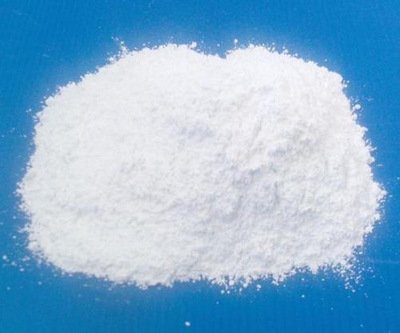
Calcium Oxide Powder Overview
Calcium oxide powder is a white or grayish-white, highly reactive fine powder obtained through the meticulous processing of quicklime. With its immense specific surface area and rapid reactivity, it serves as a fundamental alkaline raw material and highly efficient neutralizing agent across multiple industrial sectors, including flue gas purification, chemical synthesis, soil improvement, and building materials production.
We offer calcium oxide powder in various grades, ranging from standard industrial-grade to high-reactivity grades. Custom specifications for mesh size and moisture control are available. For detailed product parameters and tailored solutions, please contact us.
Product Highlights
Ultra-high reactivity and neutralization efficiency
Precisely controlled mesh size and particle size distribution
High effective calcium content with low impurity levels
Strict moisture-proof sealed packaging
Applications of Calcium Oxide Powder
Industrial Exhaust and Wastewater Treatment: Serves as an efficient dry desulfurization agent and acid neutralizer for acidic wastewater, rapidly capturing and reacting to remove acidic pollutants like sulfur dioxide and hydrogen fluoride, meeting stringent environmental compliance requirements.
Chemical Production and Synthesis: An indispensable key raw material for manufacturing calcium carbide, bleaching powder, calcium-based compounds, and numerous other chemical products. Also functions as a drying agent and catalyst carrier in certain reactions.
Building Materials and Industrial Auxiliaries: Used in producing aerated concrete, lime powder, and putty powder, it enhances material workability and final strength. Also serves as a clarifier or treatment agent in sugar refining, leather processing, and other industries.
Q1: What are the primary precautions for storing and using calcium oxide powder?
A1: The core concern is strict moisture prevention. It must be stored in a cool, dry, sealed environment, isolated from water and acidic substances. Due to its exothermic, violent reaction with water, full protective gear must be worn during handling, and safety protocols strictly followed.
Q2: How does particle size practically affect application performance?
A2: Fineness directly impacts reaction speed and contact area. Higher mesh sizes yield greater specific surface area, typically enhancing reaction rates and efficiency in exhaust gas treatment or neutralization reactions. However, this also demands stricter moisture-proof packaging requirements.
Q3: How is the activity of calcium oxide powder tested and determined?
A3: Activity is typically assessed by measuring its “available calcium oxide” content—the portion capable of reacting with acids. The standard method involves precise determination using the sucrose-hydrochloric acid titration. We provide this data in our quality inspection reports.
Q4: What are the main application differences between it and calcium hydroxide powder?
A4: Calcium oxide is a strongly alkaline oxide that reacts with water to form calcium hydroxide while releasing significant heat. It exhibits greater reactivity and corrosiveness, making it suitable for applications requiring rapid, vigorous reactions. Calcium hydroxide has relatively milder alkalinity and slightly better solubility, often used where sustained alkalinity is needed.
Reports
Each batch is supplied with:
Certificate of Analysis (COA)
Technical Data Sheet (TDS)
Material Safety Data Sheet (MSDS)
Third-party testing reports available upon request
Why Choose Us?
We specialize in the deep processing and technological innovation of calcium oxide products, possessing specialized expertise in maintaining powder reactivity and moisture-proof treatment. We not only provide products meeting standard specifications but also recommend the most suitable particle size and reactivity grade based on the specific process requirements of your end application.