Cadmium Telluride Granules Overview
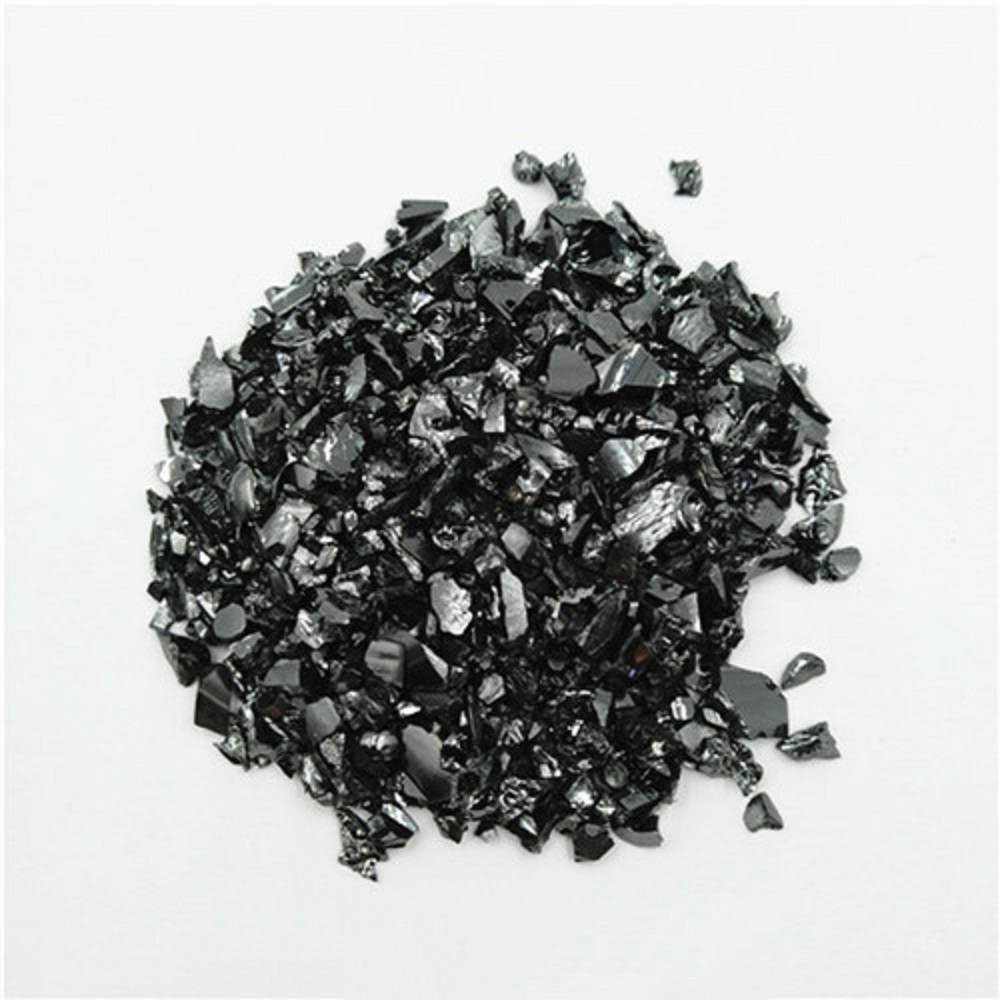
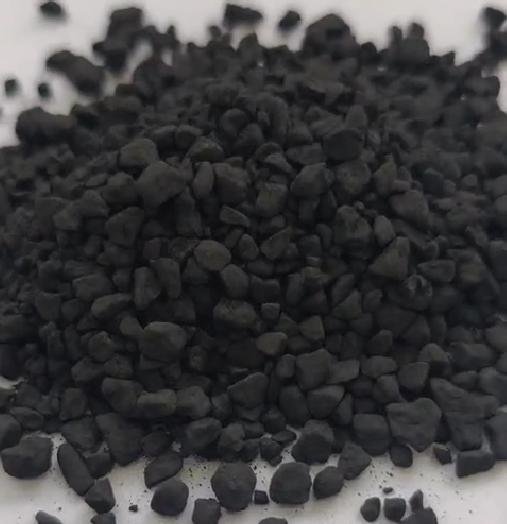
Cadmium Telluride granules are a high-performance II-VI group semiconductor material with excellent photoelectric conversion efficiency and stable chemical properties. They are widely used in solar cells, optoelectronic devices, infrared detectors, and optical thin film research, providing a reliable foundational material for thin film fabrication, quantum dot devices, and nanomaterial development.
We can provide high-purity, uniformly sized CdTe granules , and support customization of particle size, purity, and packaging specifications to meet the diverse needs of research institutions and industrial customers. For quotations, samples, or technical consultation, please contact us.
Product Highlights
High purity, low impurity content
Controllable particle size, uniform particle size
Excellent photoelectric performance, high conversion efficiency
Easy for thin film deposition and solution processing
Good chemical stability, resistant to high-temperature processing
Customizable packaging and particle size
High batch consistency, suitable for research and mass production
Applications of Cadmium Telluride granules
Used in the fabrication of absorber layers for solar cells and optoelectronic devices.
Applicable to the fabrication of infrared detectors and optical thin films.
Suitable semiconductor particles for scientific research experiments and nanomaterial research.
1. What are Cadmium Telluride Granules?
Cadmium Telluride (CdTe Granules) are granular forms of high-purity cadmium telluride semiconductor material. CdTe is a II-VI compound semiconductor with a direct band gap of approximately 1.5 eV, widely used in thin-film photovoltaic research, semiconductor devices, and vacuum deposition applications.
2. What are Cadmium Telluride used for?
Cadmium Telluride are mainly used as evaporation materials for thin-film deposition, including physical vapor deposition (PVD), thermal evaporation, and research-scale semiconductor fabrication. They are also used in CdTe photovoltaic material development, infrared optical materials, and laboratory research.
3. What purity grades are available for Cadmium Telluride ?
Cadmium Telluride are available in high-purity grades for research and thin-film deposition applications. The suitable purity level depends on the deposition process, device requirements, and contamination control standards. Custom specifications may be available according to customer requirements.
4. What is the difference between Cadmium Telluride Powder and Cadmium Telluride Granules?
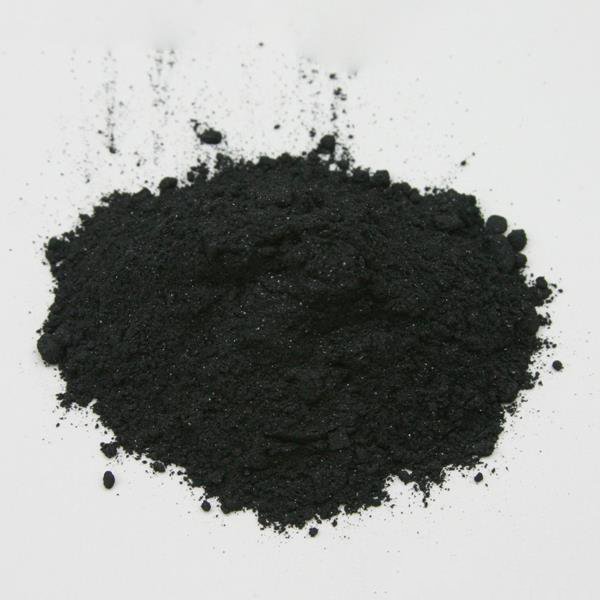
The main difference is the physical form and application method. Cadmium Telluride Powder is typically used for material synthesis, formulation, and research processes, while Cadmium Telluride Granules are commonly selected for evaporation sources and deposition processes because the larger particle size can improve handling and reduce dust generation during loading.
5. Why are Cadmium Telluride suitable for vacuum deposition?
Cadmium Telluride provide a convenient feedstock form for evaporation processes because they can be easily loaded into deposition equipment and controlled during thermal evaporation. Their granular shape helps improve material handling compared with fine powders.
6. How should Cadmium Telluride be handled and stored?
Cadmium Telluride should be handled according to appropriate chemical safety practices. Avoid generating dust during handling or processing, use suitable personal protective equipment, and store the material in a tightly closed container in a dry and well-ventilated area.
7. Are Cadmium Telluride hazardous?
Cadmium Telluride require careful handling because cadmium-containing materials are regulated hazardous substances in many regions. Avoid inhalation of dust or particles generated during processing and follow the safety instructions provided in the Safety Data Sheet (SDS).
8. Does ULPMAT provide SDS and technical support for Cadmium Telluride Granules?
Yes. ULPMAT provides technical documentation, including Safety Data Sheets (SDS), for Cadmium Telluride Granules. We support customers with material information, specifications, and application guidance for research and thin-film deposition requirements.
Reports
Each batch is supplied with:
Certificate of Analysis (COA)
Technical Data Sheet (TDS)
Material Safety Data Sheet (MSDS) Download
Third-party testing reports available upon request
Why Choose Us?
We possess mature CdTe particle production technology, a rigorous quality management system, and stable supply capabilities, enabling us to provide high-purity, uniformly sized, and reliable optoelectronic products. Combined with rapid-response technical services, customized production, and global shipping capabilities, we provide reliable, efficient, and sustainable material solutions for research institutions and optoelectronic industry customers, making us an ideal partner for solar energy and optoelectronic materials development.