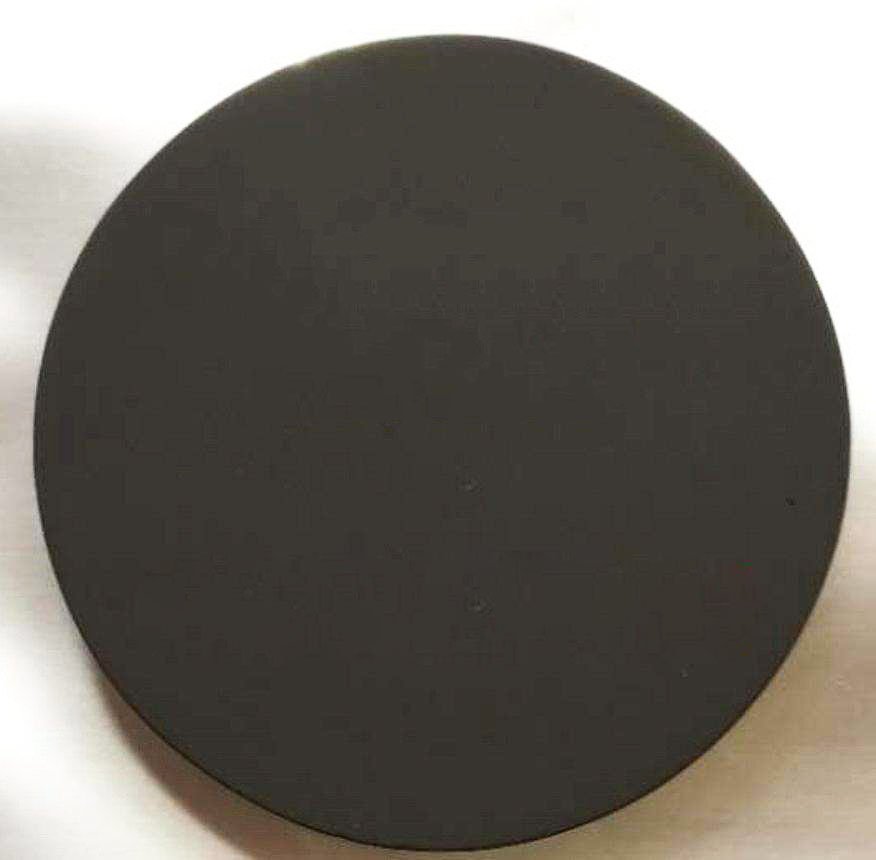
Lithium Cobalt Phosphate Sputtering Target Overview
Lithium Cobalt Phosphate sputtering targets are phosphate-based ceramic targets designed for thin-film deposition of LiCoPO₄ functional layers. Owing to their olivine crystal structure and high electrochemical stability, these targets are primarily used in high-voltage thin-film battery research and advanced energy storage studies.
Lithium Cobalt Phosphate sputtering targets are manufactured with controlled stoichiometry and dense microstructure to support stable and reproducible thin-film deposition. The targets are suitable for RF sputtering and related physical vapor deposition techniques where precise composition control is required.
Product Highlights
Olivine-type LiCoPO₄ phase with high structural stability
Dense ceramic microstructure for stable sputtering behavior
Controlled stoichiometry supporting reliable thin-film composition
Suitable for RF sputtering systems
Designed for high-voltage battery thin-film research
Good compatibility with common substrate materials
Applications of Lithium Cobalt Phosphate Sputtering Target
Thin-Film Lithium-Ion Batteries:Lithium Cobalt Phosphate sputtering targets are used to deposit high-voltage cathode layers in thin-film and micro-battery devices.
High-Voltage Energy Storage Research:LiCoPO₄ thin films are studied for their high operating potential and thermal stability in next-generation lithium-ion battery systems.
Electrochemical & Materials Science Research:The targets are applied in academic and industrial research focusing on lithium-ion transport, phosphate cathode behavior, and thin-film electrochemistry.
Functional Phosphate Oxide Thin Films:Lithium Cobalt Phosphate targets support the development of functional phosphate-based coatings for advanced electrochemical applications.
Q1: What sputtering methods are suitable for Lithium Cobalt Phosphate targets?
A1: Lithium Cobalt Phosphate sputtering targets are typically used in RF sputtering systems due to their ceramic and insulating nature.
Q2: Is lithium volatility a concern during sputtering?
A2: Optimized target density and sputtering parameters help maintain film composition and reduce lithium loss during deposition.
Q3: Can Lithium Cobalt Phosphate targets be bonded to backing plates?
A3: Yes, bonding options can be provided depending on target size and sputtering system requirements.
Q4: What substrates are commonly used for LiCoPO₄ thin films?
A4: Typical substrates include silicon wafers, sapphire, glass, and other substrates used in thin-film battery research.
Report
Each batch is supplied with:
Certificate of Analysis (COA)
Technical Data Sheet (TDS)
Material Safety Data Sheet (MSDS)
Size Inspection Report
Third-party testing reports available upon request
Material Advantages
Lithium Cobalt Phosphate sputtering targets combine high-voltage electrochemical characteristics with structural robustness, making them well suited for research and development of advanced thin-film lithium-ion battery and energy storage technologies.