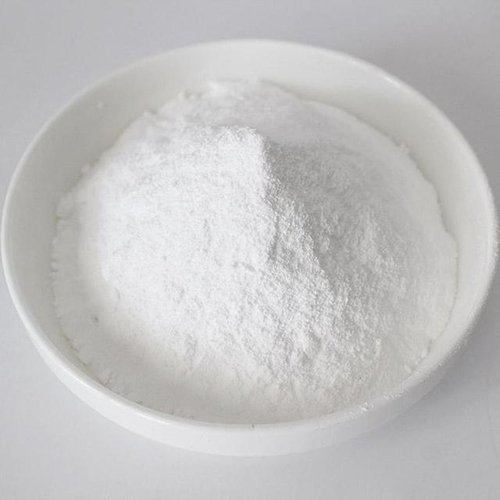
Calcium Carbonate Powder Overview
Calcium carbonate powder is a naturally occurring and widely used inorganic compound primarily derived from minerals such as limestone and marble, typically processed into a fine white powder. As a vital industrial filler and functional additive, it serves as a fundamental and indispensable raw material across numerous industries including plastics, papermaking, coatings, and building materials.
We offer a diverse range of products from heavy to light calcium carbonate, covering various particle sizes, whiteness levels, and surface treatment requirements. For samples or technical specifications tailored to your process needs, please feel free to contact us at any time.
Product Highlights
High purity and superior whiteness
Precise and controllable particle size distribution
Surface modification for enhanced compatibility
High filling rate and cost-effective advantages
Stable chemical and physical properties
Applications of Calcium Carbonate Powder
Plastics and Rubber Industry: Serves as a filler and reinforcing agent, effectively improving dimensional stability, stiffness, and impact resistance of products while significantly reducing production costs.
Paper Industry: Used as a paper filler and coating pigment, it enhances paper opacity, whiteness, smoothness, and printability while conserving wood pulp resources.
Paint and Ink Sector: As a body pigment, it provides structural filling, increases volume, regulates rheology, and improves paint film abrasion resistance, resulting in superior product performance.
Building Materials and Sealants: A key component in producing putty, sealants, artificial stone, and cement products, it enhances workability and the mechanical properties of the final product.
Q1: Is calcium carbonate safe? What are its effects on human health and the environment?
A1: Calcium carbonate is a naturally occurring, non-toxic substance widely used in food, pharmaceuticals, and cosmetics. Industrial-grade products are safe under normal usage and protective measures. Dust should be managed as standard industrial dust to prevent excessive inhalation.
Q2: What are the core differences in application between powders of different particle sizes?
A2: Particle size directly impacts filling efficiency and surface gloss of the finished product. Coarse particle sizes (e.g., 800 mesh) are primarily used for volume expansion and filling. Ultra-fine particle sizes (e.g., 1250 mesh and above) provide superior reinforcement, surface smoothness, and gloss.
Q3: What advantages does surface-treated calcium carbonate (e.g., with titanate or stearate) offer?
A3: Surface treatment significantly improves interfacial compatibility between calcium carbonate and organic polymers (e.g., plastics, rubber), reduces agglomeration, and enhances dispersion. This boosts the mechanical properties and processing flowability of composite materials.
Q4: What are the primary advantages of calcium carbonate compared to other fillers like talc or kaolin?
A4: Calcium carbonate’s key strengths lie in its exceptional cost-effectiveness, superior whiteness, low abrasion value, and stable pH, making it one of the most versatile and widely used fillers.
Report
Each batch is supplied with:
Certificate of Analysis (COA)
Technical Data Sheet (TDS)
Material Safety Data Sheet (MSDS)
Third-party testing reports available upon request
Why Choose Us?
We specialize in non-metallic mineral processing, focusing on the advanced development and precision manufacturing of calcium carbonate products. Beyond standard specifications, we provide tailored product solutions and technical support addressing your industry’s specific formulation and process challenges.