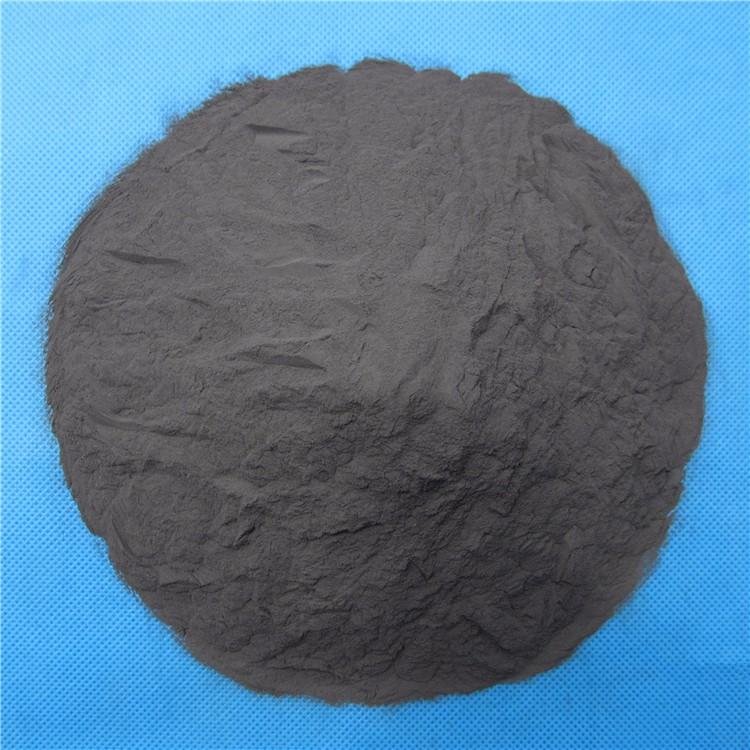
Nickel Boride Powder Overview
Nickel boride powder is a functional compound powder formed from nickel and boron, commonly used in catalytic systems, wear-resistant materials, and related materials research.
We offer nickel boride powders with varying particle sizes and compositional control, and support application matching and technical communication. Please contact us for detailed specifications and pricing information.
Product Highlights
Stable Chemical Composition
Uniform Powder Distribution
Good Catalytic Activity
Outstanding Wear Resistance
Reliable Thermal Stability
Strong Process Adaptability
Applications of Nickel Boride Powder
Catalysis and Reaction Systems: Nickel boride powder is commonly used as an active material in various chemical reactions; its structural characteristics help improve reaction efficiency and stability.
Wear-Resistant and Functional Materials: In wear-resistant or surface-reinforced materials, nickel boride can be used as a functional filler to improve material hardness and service life.
Composite Material Preparation: Nickel boride powder is suitable for introduction into metal or ceramic matrix composite systems to adjust material properties and structural characteristics.
Scientific Research and Materials Development: In materials science research, nickel boride powder is frequently used for performance evaluation, process exploration, and the development of novel materials.
Q1: What are the main applications of nickel boride powder?
A1: Primarily used in catalytic reactions, wear-resistant materials, composite materials, and scientific research.
Q2: What is the difference between nickel boride and metallic nickel powder?
A2: Nickel boride is a compound material, and it differs significantly from metallic nickel in terms of hardness, catalytic performance, and thermal stability.
Q3: Does the powder require special treatment before use?
A3: It can usually be used directly. Specific treatment methods can be adjusted according to actual process requirements.
Q4: How should nickel boride powder be stored?
A4: It is recommended to store it in a sealed container in a dry environment, avoiding moisture and prolonged exposure to air.
Report
Each batch is supplied with:
Certificate of Analysis (COA)
Technical Data Sheet (TDS)
Material Safety Data Sheet (MSDS)
Third-party testing reports available upon request
Why Choose Us?
We have continuous experience in supplying functional inorganic powder materials, emphasizing material consistency and application suitability. Through clear technical information and flexible specification options, we help customers more efficiently advance material application and R&D processes.