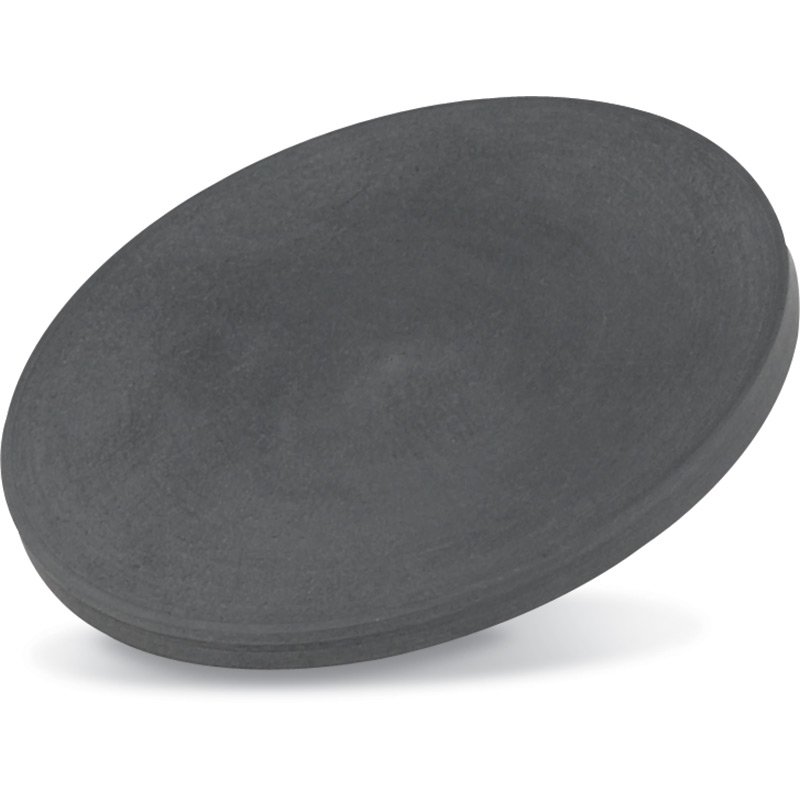
Gallium Telluride Sputtering Targets Overview
Gallium Telluride sputtering targets are functional ceramic targets fabricated from high-purity gallium telluride powder through advanced forming and sintering processes. Combining the infrared optoelectronic properties of narrow-bandgap semiconductors with excellent thin-film deposition capability, it serves as the core source material for depositing gallium telluride films in physical vapor deposition (PVD) processes. It finds extensive applications in advanced infrared detection, thermoelectric conversion, and cutting-edge electronic devices.
We offer high-quality Ga2Te3 ceramic sputtering targets in multiple purities, specifications, and bonding options. Contact us for your customized solution.
Product Highlights
High purity with precise stoichiometry
High density, low porosity
Excellent film deposition uniformity
Professional backing plate bonding available
Custom dimensions and specifications
Applications of Gallium Telluride Sputtering Targets
Infrared Technology & Detection: Deposits core sensitive layers for infrared photodetectors and thermal imaging sensors.
Thermoelectric Conversion Devices: Serves as a deposition source for thin-film thermoelectric materials in manufacturing miniature thermoelectric power generation or cooling modules.
Phase-Change Memory Materials: Used for depositing functional films in phase-change random-access memory (PCRAM), leveraging its rapid reversible transition between crystalline and amorphous states.
Frontier Devices & Research: Functions as a narrow-bandgap semiconductor thin-film source for novel electronic devices, sensors, and fundamental material property studies.
Q1: What is the difference between Ga2Te3 and GeSbTe targets?
A1: They differ in composition and application focus. Ga₂Te₃ is a binary compound prioritized for infrared and thermoelectric applications; GeSbTe is a mature ternary phase-change memory material specifically designed for data storage.
Q2: Targets contain tellurium. Is it safe?
A2: Solid-state targets are stable but require proper handling. Avoid inhaling processing dust; wear protective gear and follow Material Safety Data Sheet (MSDS) guidelines during operation.
Q3: How should target purity be selected?
A3: It depends on the required thin-film performance. 4N (99.99%) grade is suitable for basic R&D; 5N (99.999%) or higher purity is recommended for fabricating high-performance devices.
Q4: Why is bonding service required?
A4: To ensure heat dissipation and secure mounting. Bonding to a metal backing plate (e.g., copper) effectively dissipates sputtering heat, prevents thermal stress cracking in ceramic targets, and facilitates installation.
Rport
Each batch is supplied with:
Certificate of Analysis (COA)
Technical Data Sheet (TDS)
Material Safety Data Sheet (MSDS)
Third-party testing reports available upon request
Why Choose Us?
We specialize in providing highly stable, customizable specialty ceramic targets, supporting your material needs in cutting-edge technology fields with professional solutions.