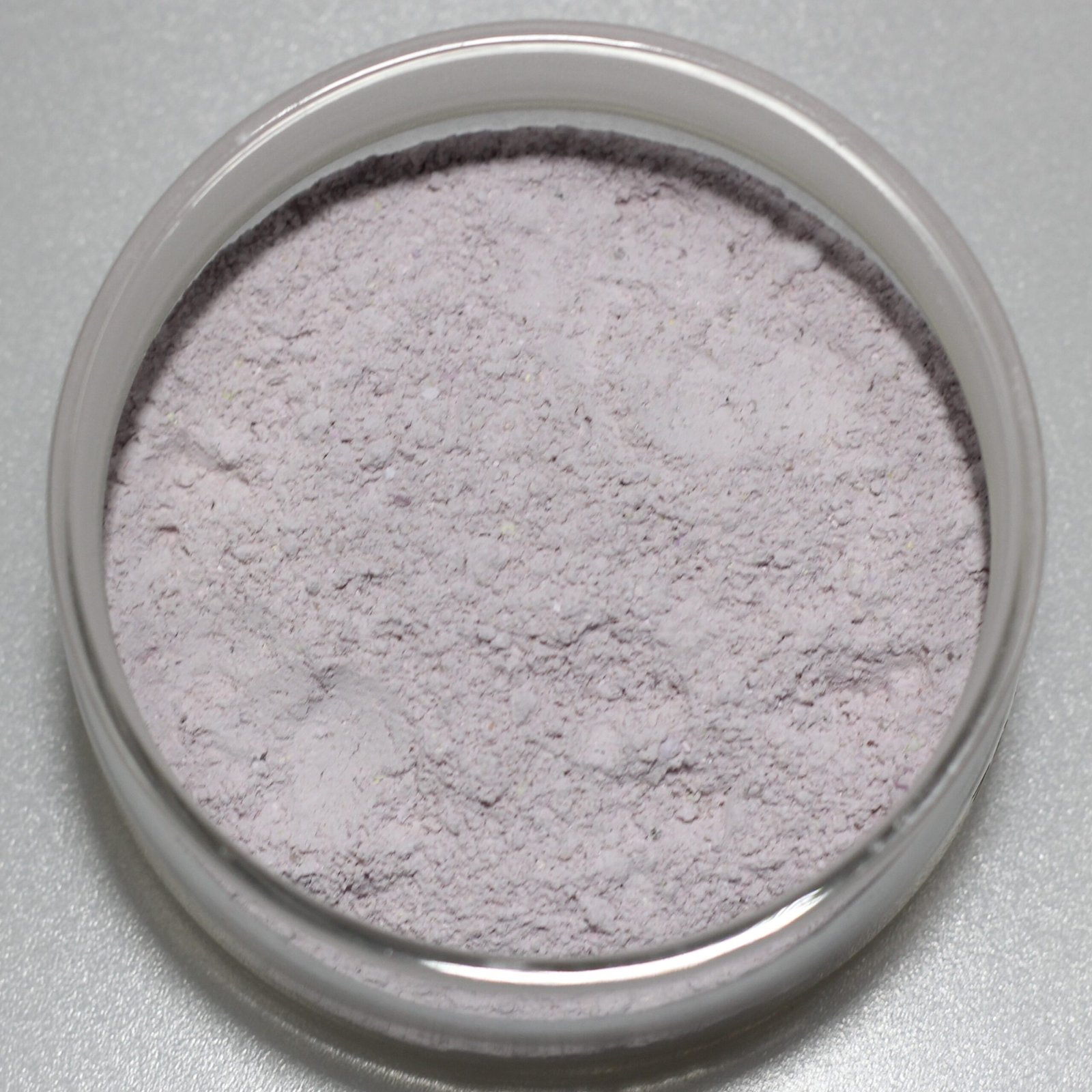
Rubidium Fluoride Powder Overview
Rubidium fluoride is a crucial high-purity inorganic rubidium salt with the chemical formula RbF, typically appearing as white crystals or powder. It features a high melting point (approximately 775°C), high water solubility, and stable chemical properties. As an efficient precursor for introducing fluoride and rubidium ions, it finds extensive applications in new energy, advanced materials, and high-end R&D fields.
We offer rubidium fluoride powder with 99.9% purity, supporting flexible packaging options. To request samples, please contact us.
Product Highlights
Multiple purity specifications available
High melting point, stable properties
Unique high water solubility
Strict quality control, consistent batches
Professional moisture-proof sealed packaging
Applications of Rubidium Fluoride Powder
Perovskite Solar Cells: As a precursor additive, it effectively passivates defects, improves film quality, and significantly enhances device photovoltaic conversion efficiency and long-term operational stability.
Lithium Metal Battery Electrolyte: As an electrolyte additive, it utilizes rubidium ions’ electrostatic shielding effect to effectively suppress lithium dendrite growth, substantially enhancing battery safety and cycle life.
Specialty Optical Glass/Ceramics: Used as a dopant or fluxing agent for functional glass and ceramic materials requiring specific refractive indices, dispersion properties, or conductivity.
Organic Synthesis Catalysts: Serves as an efficient fluorine source or base catalyst, participating in specific fluorination reactions or facilitating organic synthesis processes like carbon-carbon bond formation.
Q1: What packaging is used for shipping? Is it suitable for international delivery?
A1: We employ moisture-proof sealed aluminum foil bags or glass bottles for inner packaging, enclosed in sturdy outer cartons compliant with standard chemical transport regulations. For international shipments, we provide complete compliance documentation (e.g., MSDS) to ensure safe and smooth transit.
Q2: What unique advantages does rubidium fluoride offer compared to other rubidium halides (e.g., rubidium chloride, rubidium bromide) in applications?
A2: Its unique advantages primarily stem from the high electronegativity and small ionic radius of the fluoride ion (F⁻). In battery applications, it stabilizes interfaces more effectively. In optical materials, introducing fluorine significantly alters optical properties. Additionally, it typically exhibits higher water solubility, facilitating solution processing.
Q3: How does rubidium fluoride function in perovskite solar cells?
A3: Its primary function relies on the synergistic interaction between rubidium ions (Rb⁺) and fluoride ions (F⁻): Rb⁺ can intercalate into the crystal lattice, stabilizing the crystal structure; F⁻ effectively passivates defects and uncoordinated lead ions within the film. Together, they suppress non-radiative recombination and ion migration, thereby enhancing cell performance.
Q4: What special precautions should be taken when handling rubidium fluoride for reactions?
A4: Special attention must be paid to its hygroscopicity and potential corrosiveness. Handling should occur in a dry environment, avoiding contact with strong acids to prevent the generation of highly toxic and corrosive hydrogen fluoride (HF) gas. Personal protective equipment must be worn, and the Material Safety Data Sheet (MSDS) should be thoroughly reviewed.
Report
Each batch is supplied with:
Certificate of Analysis (COA)
Technical Data Sheet (TDS)
Material Safety Data Sheet (MSDS)
Third-party testing reports available upon request
Why Choose Us?
With our deep understanding of cutting-edge technology applications, stable and reliable portfolio of high-purity products, and professional customized service capabilities, we are your ideal rubidium compound partner for exploring new energy and materials.