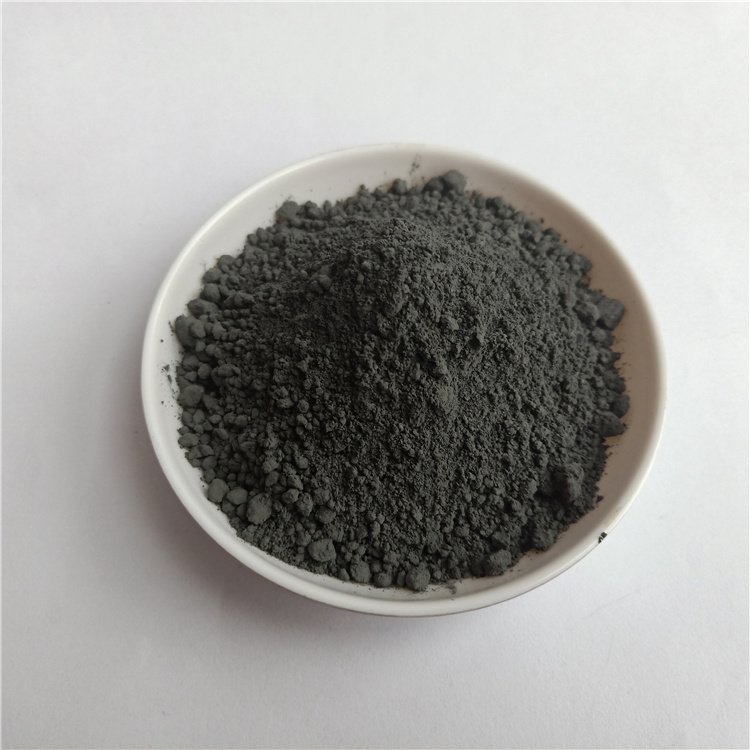
Cesium Tin Iodidepowder is a high-purity functional material designed specifically for perovskite solar cells and related optoelectronic devices. With a purity of up to 99.99%, uniform particle size, and excellent optoelectronic performance and stability, it ensures efficient and reliable device fabrication.
We offer high-quality Cesium Tin Iodide powder to meet diverse research and industrial application needs. We offer a comprehensive range of specifications and can customize the powder to your specifications. We also provide comprehensive technical support and after-sales service. Please feel free to contact us.
Product Highlights
Purity: 99.99% Uniform particle size, suitable for solution processing and thin film fabrication Excellent optical properties and a wide absorption range Good stability, suitable for perovskite solar cells and optoelectronic devices
Applications of Cesium Tin Iodide powder
Perovskite solar cells: Serves as a key precursor material for the perovskite light-absorbing layer, improving photoelectric conversion efficiency. Optoelectronicdevices: Applications in devices such as photodetectors and light-emitting diodes (LEDs), demonstrating excellent photoelectric response. Material Research: Used in the preparation and performance optimization of perovskite structural materials.
Reports
Each batch of CsSnI₃ powder comes with a Certificate of Analysis (COA), Material Safety Data Sheet (MSDS), and relevant technical reports. Third-party testing is supported to ensure consistent and reliable material quality.
Molecular Formula: CsSnI₃ Molecular Weight: 456.63 g/mol Appearance: Dark brown to black powder, uniform particle size Density: Approximately 4.65 g/cm³ (theoretical density approximately 4.67 g/cm³) Melting Point: Approximately 320°C (decomposition temperature approximately 380°C) Crystal Structure: Orthorhombic or perovskite (depending on preparation conditions)
Signal Word: Danger Hazard Statements: H290 May be corrosive to metals H302+H312+H332: Harmful if swallowed, in contact with skin or if inhaled. H314: Causes severe skin burns and eye damage H315 Causes skin irritation. H319 Causes serious eye irritation. H335: May cause respiratory irritation. H360: May damage fertility or the unborn child. H361: Suspected of damaging fertility or the unborn child. H410: Very toxic to aquatic life with long lasting effects.
Inner Packaging: Double-layer sealed plastic bags or aluminum foil bags for moisture and leakage protection. Outer Packaging: Iron drum or fiber drum, depending on the weight, with reinforced sealed lid. Hazard Packaging: UN-certified packaging compliant with regulations for hazardous materials transportation.